What Is Pectinase? Industrial Pectin Breakdown & Uses | Pellucid Works
A clear industrial guide to pectinase: what it is, how pectinolytic enzymes break down pectin, and where processors use them for clarification, viscosity reduction, extraction, and yield improvement.
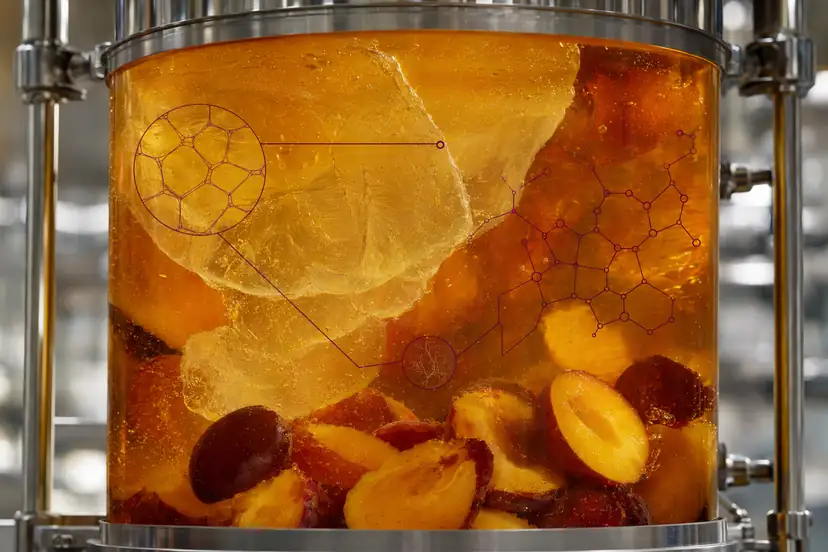
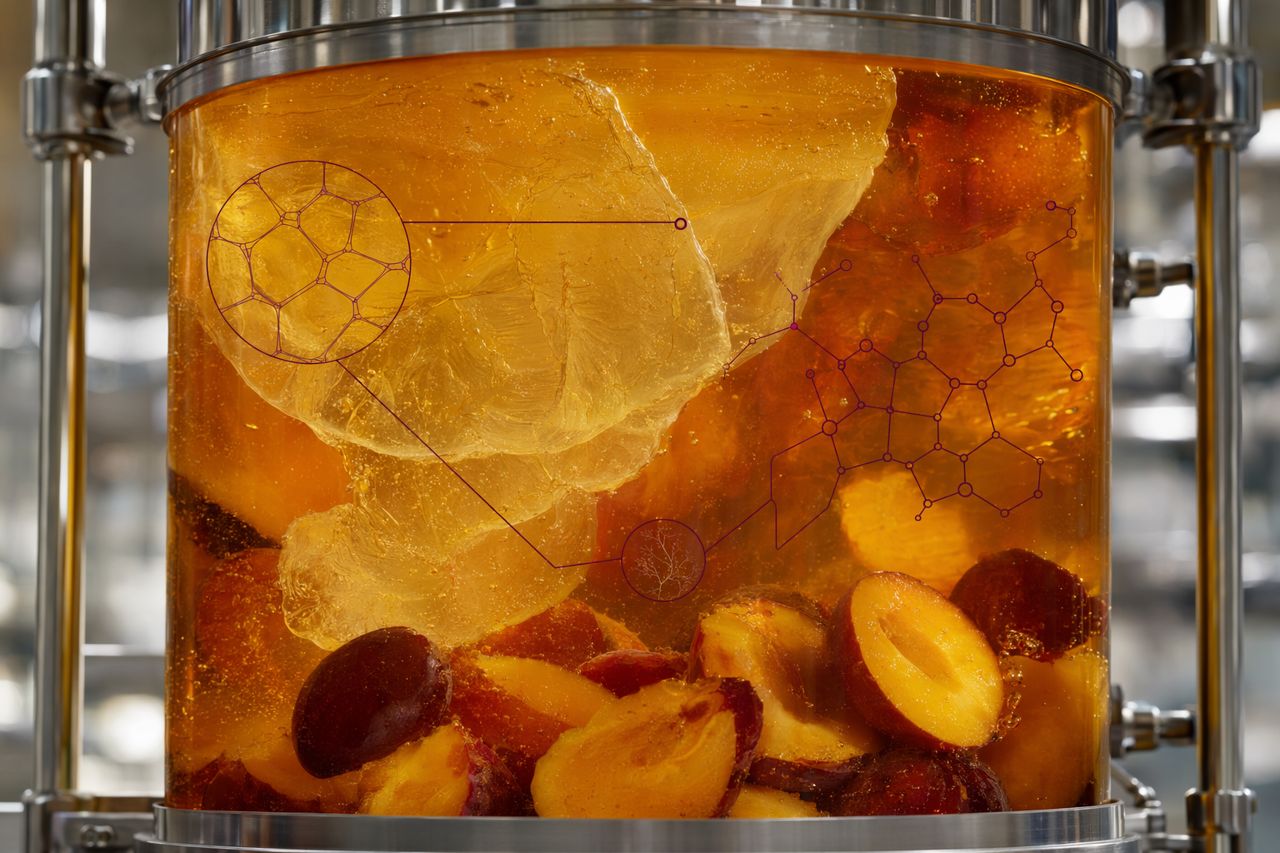
Pectinase is a group of enzymes that breaks down pectin — the structural polysaccharide that helps hold plant cell walls together and gives fruit pulps, pomaces, and botanical extracts their gel-like body.
In industrial processing, pectinase is used when pectin becomes a bottleneck: high viscosity, slow pressing, hazy juice, difficult filtration, trapped color, or incomplete extraction. By cutting pectin networks into smaller, more mobile fragments, pectinase helps convert dense plant material into clearer, more processable liquid streams.
This page is a technical overview, not a product listing. It is written for formulation teams, juice and wine processors, ingredient manufacturers, and industrial buyers evaluating where pectinolytic enzyme systems fit into a process.
The Short Definition
Pectinase, also called pectinolytic enzyme, is an enzyme system that hydrolyzes, de-esterifies, or otherwise modifies pectin in plant-based materials.
Because pectin is not one uniform molecule, pectinase is not usually one single activity in practice. Industrial pectinase preparations may include complementary enzyme functions that act on different parts of the pectin structure.
Common pectinolytic functions include:
Polygalacturonase-type action — cuts the galacturonic acid backbone of pectin.
Pectin lyase-type action — cleaves methylated pectin structures without requiring the same pathway as simple hydrolysis.
Pectin esterase-type action — removes methyl ester groups and changes how pectin behaves in solution.
Accessory hemicellulase or cellulase support — sometimes included when the goal is broader plant cell wall opening, not just pectin breakdown.
The right enzyme profile depends on the feedstock and the processing objective.
Why Pectin Matters in Processing
Pectin is useful inside fruit tissue. It provides structure, binds water, and supports the natural gel matrix of plant material.
In processing, that same structure can become expensive.
High-pectin materials can create:
Thick mashes that are difficult to pump or mix.
Lower free-run juice release during pressing.
Persistent turbidity or haze in juice and wine.
Slower filtration and higher filter aid demand.
Poor separation in centrifuges or decanters.
Reduced extraction of color, aroma precursors, or soluble solids.
Inconsistent viscosity in concentrates, purees, or botanical extracts.
Pectinase helps by reducing the molecular size and network strength of pectin. The result is not simply “more liquid.” The real value is better control over flow, separation, clarification, and recovery.
How Pectinase Works
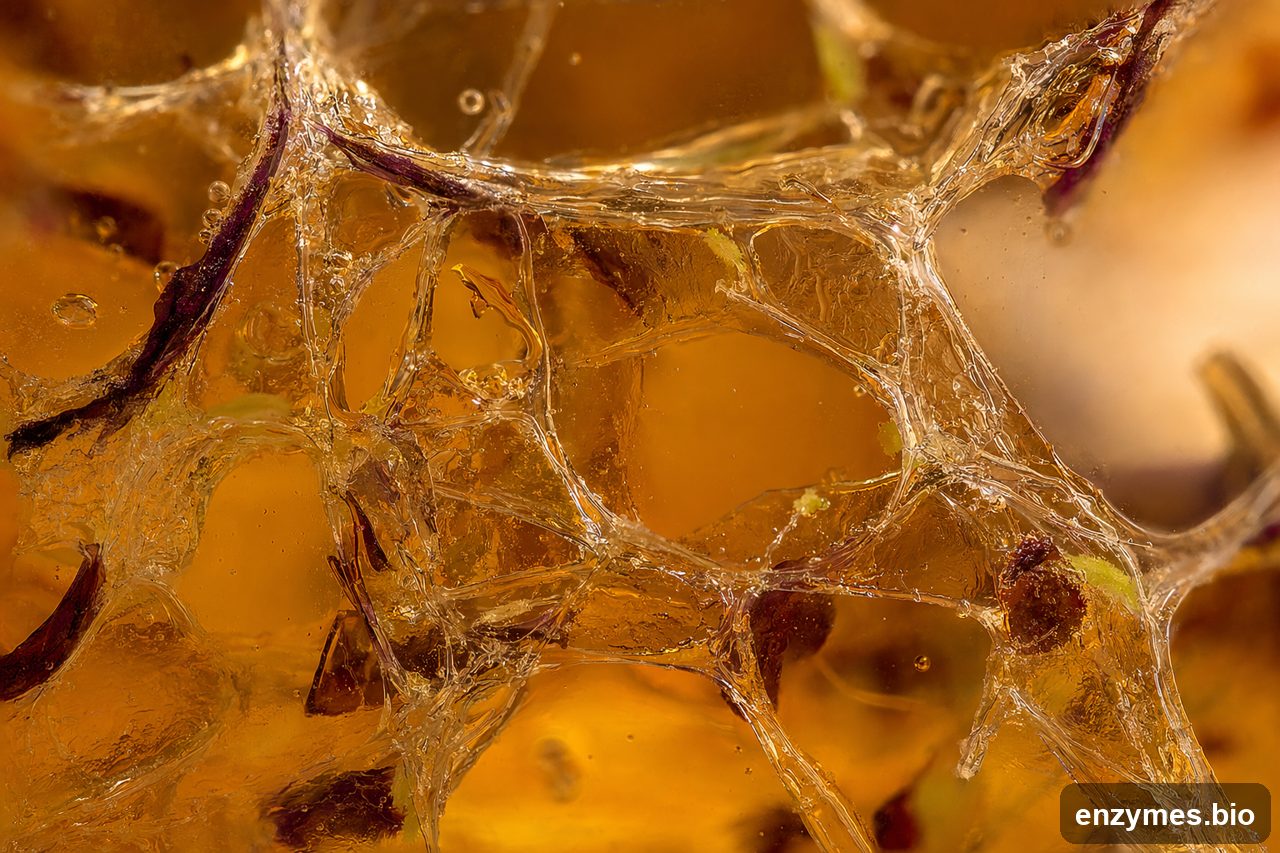
Pectin forms a hydrated network in fruit pulp and plant cell walls. That network traps liquid and fine solids, especially in apples, berries, citrus, grapes, tropical fruits, and many botanical raw materials.
When pectinase is introduced under suitable process conditions, the enzyme interacts with accessible pectin sites and progressively weakens the gel structure.
A typical process effect looks like this:
Pectin-rich solids hydrate and swell. The material may appear thick, cloudy, or resistant to separation.
Pectinase accesses exposed pectin chains. Mixing and contact time matter because the enzyme must reach the substrate.
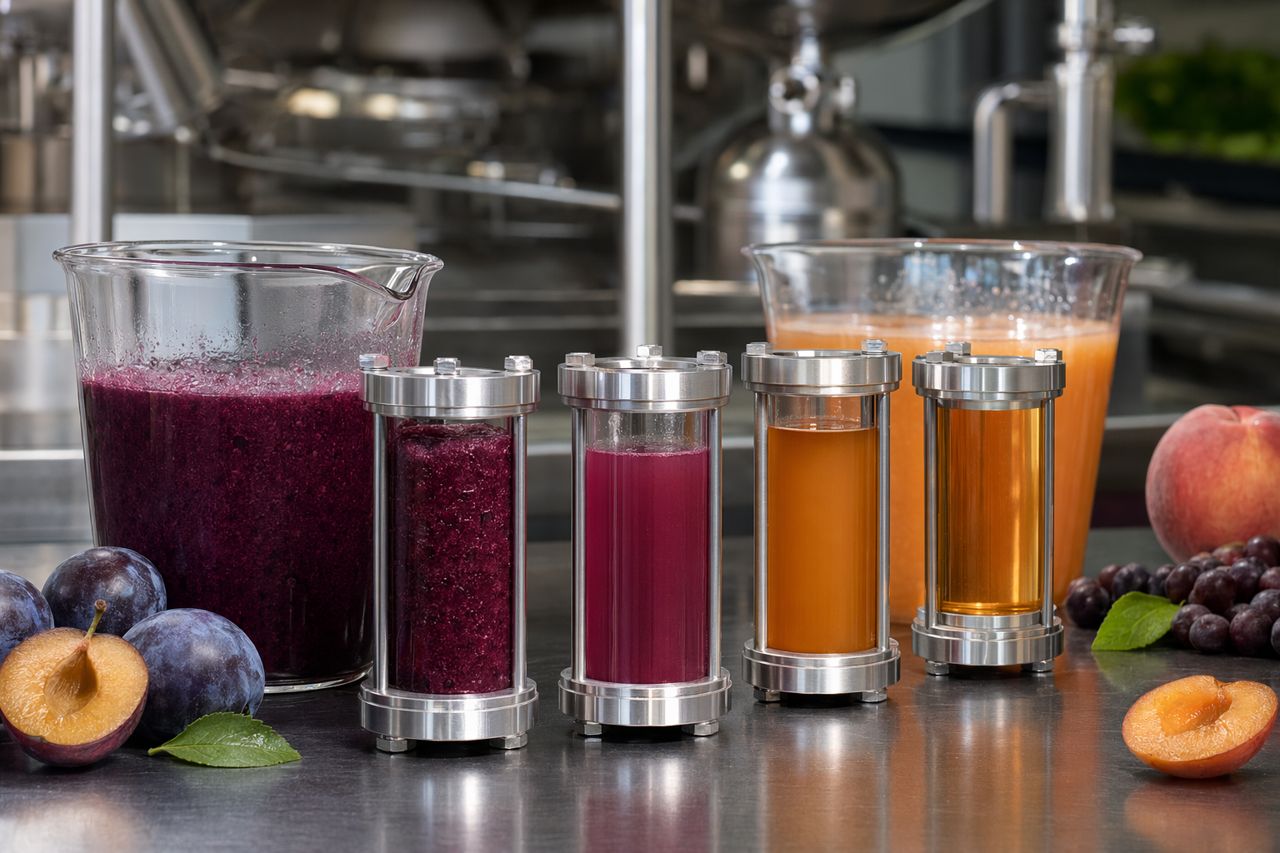
The pectin network begins to open. Viscosity drops as the gel loses continuity.
Bound liquid releases more readily. Pressing, drainage, and extraction become more efficient.
Fine haze-forming material becomes easier to separate. Filtration, centrifugation, or settling can become faster and more predictable.
The enzyme does not replace process design. It improves the behavior of the plant matrix so existing equipment can perform closer to its intended capacity.
Industrial Uses of Pectinase
Juice Processing
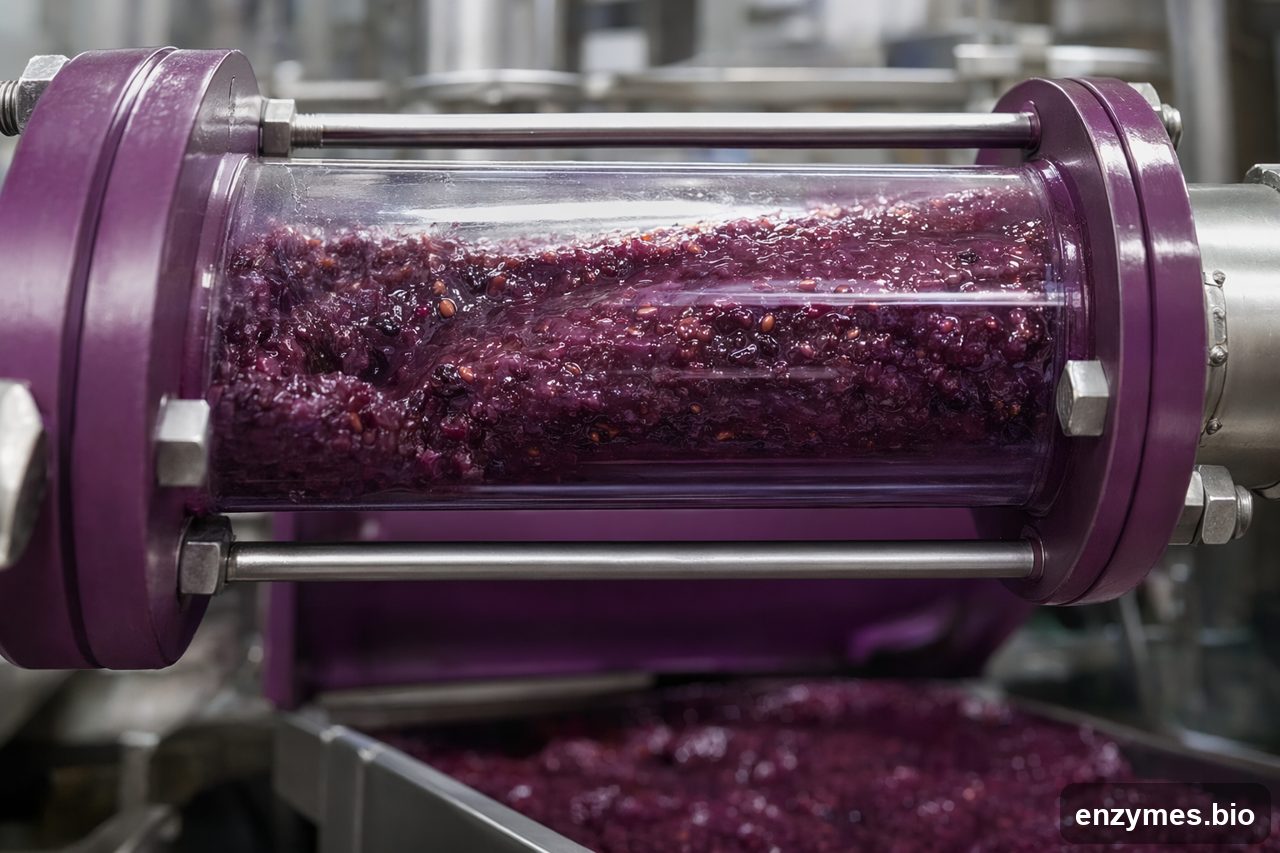
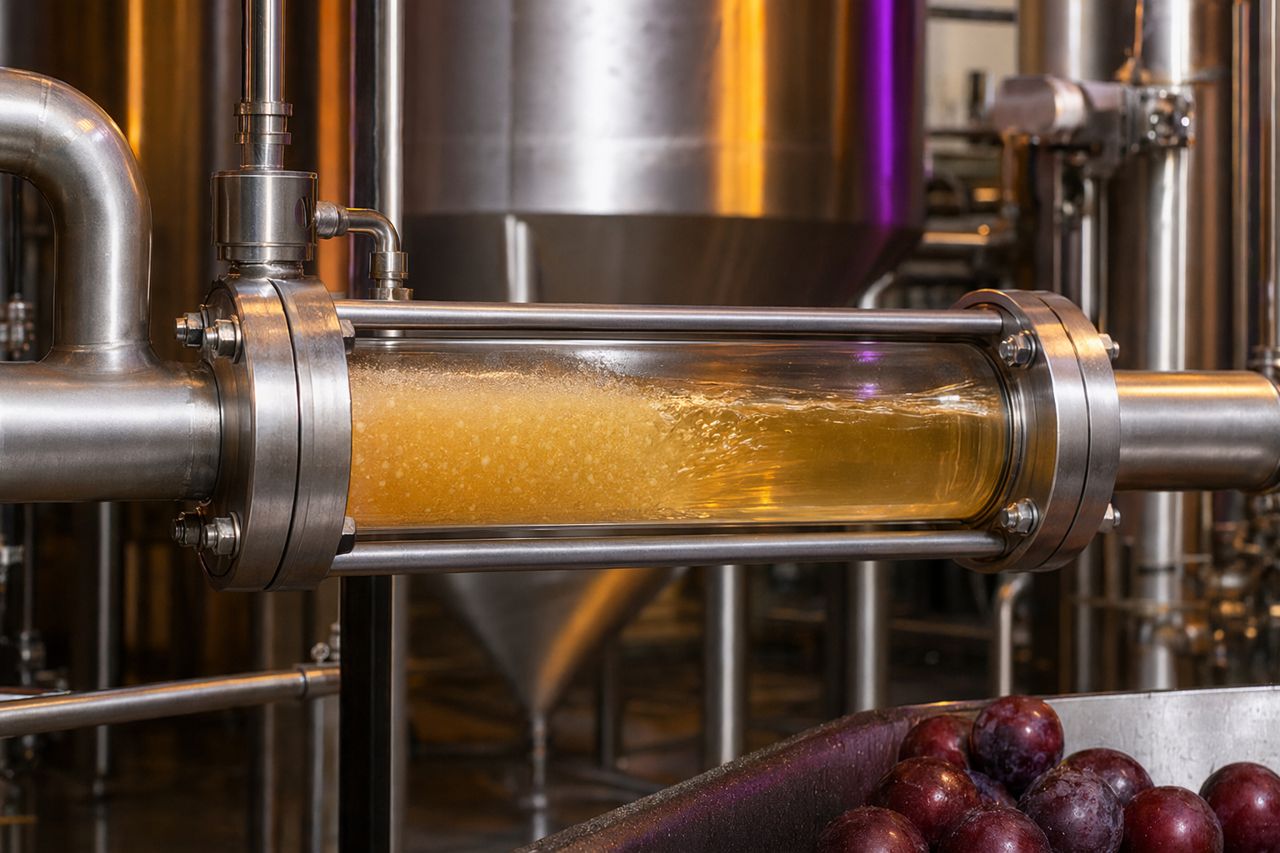
Pectinase is widely used in fruit juice processing to improve mash handling, press yield, clarification, and filtration performance.
In apple, pear, berry, stone fruit, and tropical juice lines, pectinase may be used before pressing, after extraction, or before clarification. The best point of addition depends on the plant layout and whether the primary objective is yield, clarity, throughput, or downstream stability.
Typical benefits include:
Faster juice release from mash.
Lower viscosity before pressing or separation.
Improved clarification and reduced haze risk.
More predictable filtration flow.
Better recovery from high-pectin fruits.
Wine and Cider Production
In wine and cider, pectinase can support juice release, must clarification, color extraction, and settling behavior.
Use cases vary by fruit, grape variety, skin contact strategy, temperature profile, and desired sensory outcome. For processors, the practical question is not whether pectinase can break down pectin; it is whether the chosen enzyme system supports the production style without over-extracting unwanted solids.
Fruit Preparations, Purees, and Concentrates
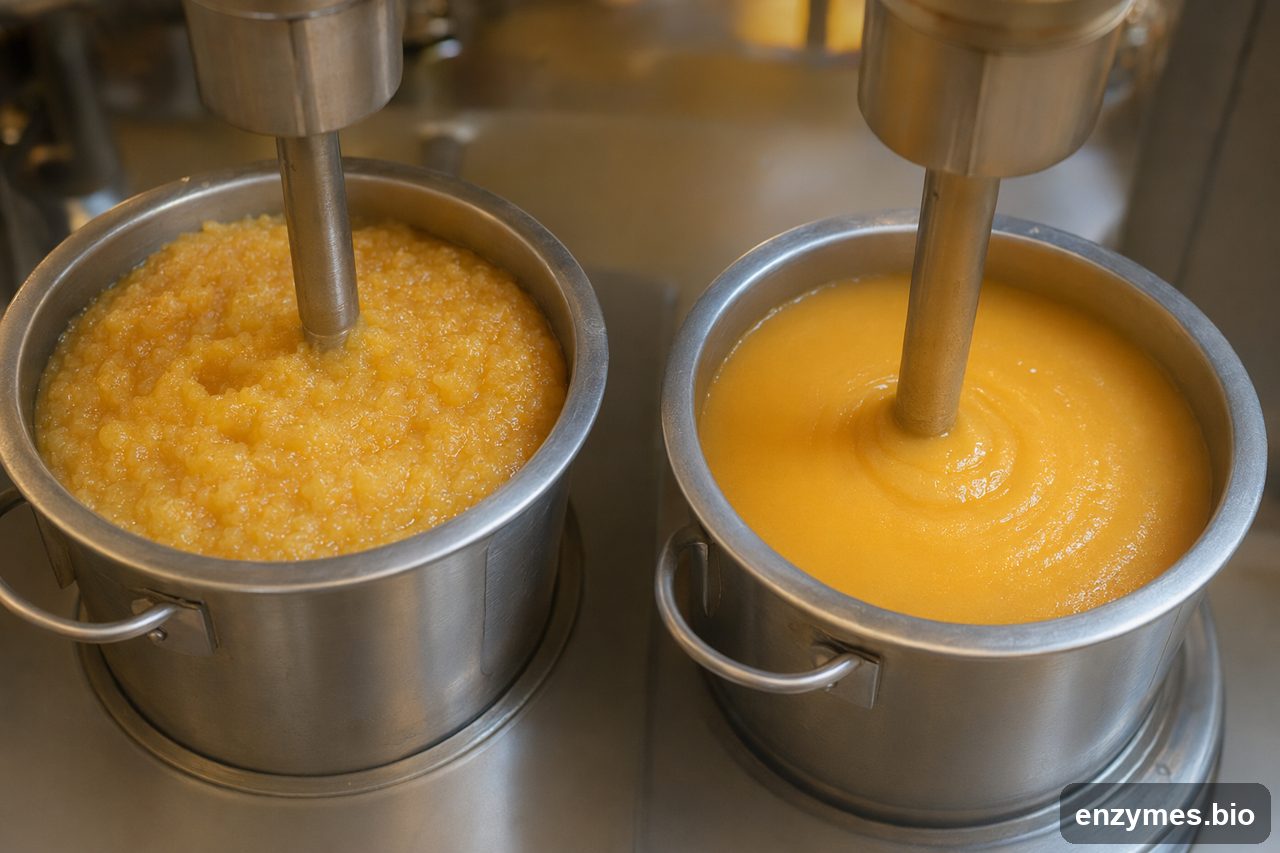
Manufacturers of fruit preparations and purees use pectinase when viscosity control affects pumping, blending, heating, evaporation, filling, or texture standardization.
In some applications the target is strong clarification. In others, the goal is moderated viscosity reduction while retaining body. The enzyme selection must match the final product specification.
Plant Extracts and Ingredient Manufacturing
Botanical extracts, vegetable juices, color concentrates, and plant-derived ingredient streams can contain pectin-rich suspended material. Pectinase may be used to improve extraction efficiency, phase separation, and recovery of soluble components.
This is especially relevant when a plant matrix traps valuable solids or when filtration becomes the limiting step in production.
What Industrial Buyers Should Specify
Pectinase selection is process-specific. A useful inquiry should include more than the word “pectinase.”
Before requesting pricing or technical fit guidance, prepare the following information:
Raw material: fruit, vegetable, pomace, puree, must, extract, or concentrate.
Process goal: yield increase, viscosity reduction, clarification, filtration improvement, extraction, or stability.
The more precisely the process is described, the faster a formulation team can identify an enzyme profile that makes sense.
Practical Evaluation Criteria
When comparing pectinase options, buyers should look beyond headline claims.
Key criteria include:
Substrate fit: Does the enzyme profile match the pectin structure and plant matrix?
Process compatibility: Does it perform within the actual pH, temperature, and residence time available?
Separation impact: Does it improve pressing, settling, centrifugation, or filtration in the target line?
Viscosity control: Does it reduce viscosity to the right level without overshooting the product specification?
Document readiness: Are technical, regulatory, and quality documents available for procurement review?
Lot-to-lot consistency: Can the supplier support stable performance across production campaigns?
Scale-up behavior: Does the bench result translate to plant conditions such as mixing, solids load, and heat history?
Where Pectinase Adds the Most Value
Pectinase tends to create the clearest economic value when one or more of the following are true:
Press capacity is constrained by slow drainage.
Filtration is the throughput bottleneck.
Pectin haze causes quality variation.
High viscosity increases energy use or processing time.
Valuable liquid remains trapped in pomace or pulp.
Extract recovery varies by crop, season, or raw material maturity.
Clarification requires excessive holding time or processing aids.
In these cases, the enzyme is not just an additive. It is a process lever.
Request Technical Fit Guidance or Pricing
If you are evaluating pectinase for a process line, share the material, objective, and operating conditions. Pellucid Works will route the inquiry for technical review and pricing support through this site’s own request form.
For faster review, include whether the priority is clarification, viscosity reduction, extraction yield, filtration speed, or a combination of these outcomes.