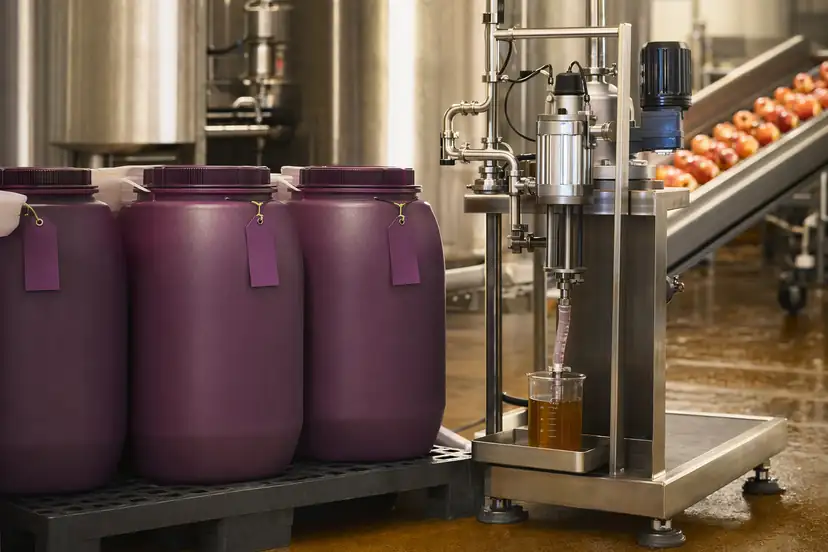
Field Notes
Industrial Pectinase Storage and Handling Basics
Practical B2B guidance for receiving, storing, transferring, and using pectinase in juice, wine, fruit processing, and ingredient manufacturing operations.
Request pricing Practical B2B guidance for receiving, storing, transferring, and using pectinase in juice, wine, fruit processing, and ingredient manufacturing operations.
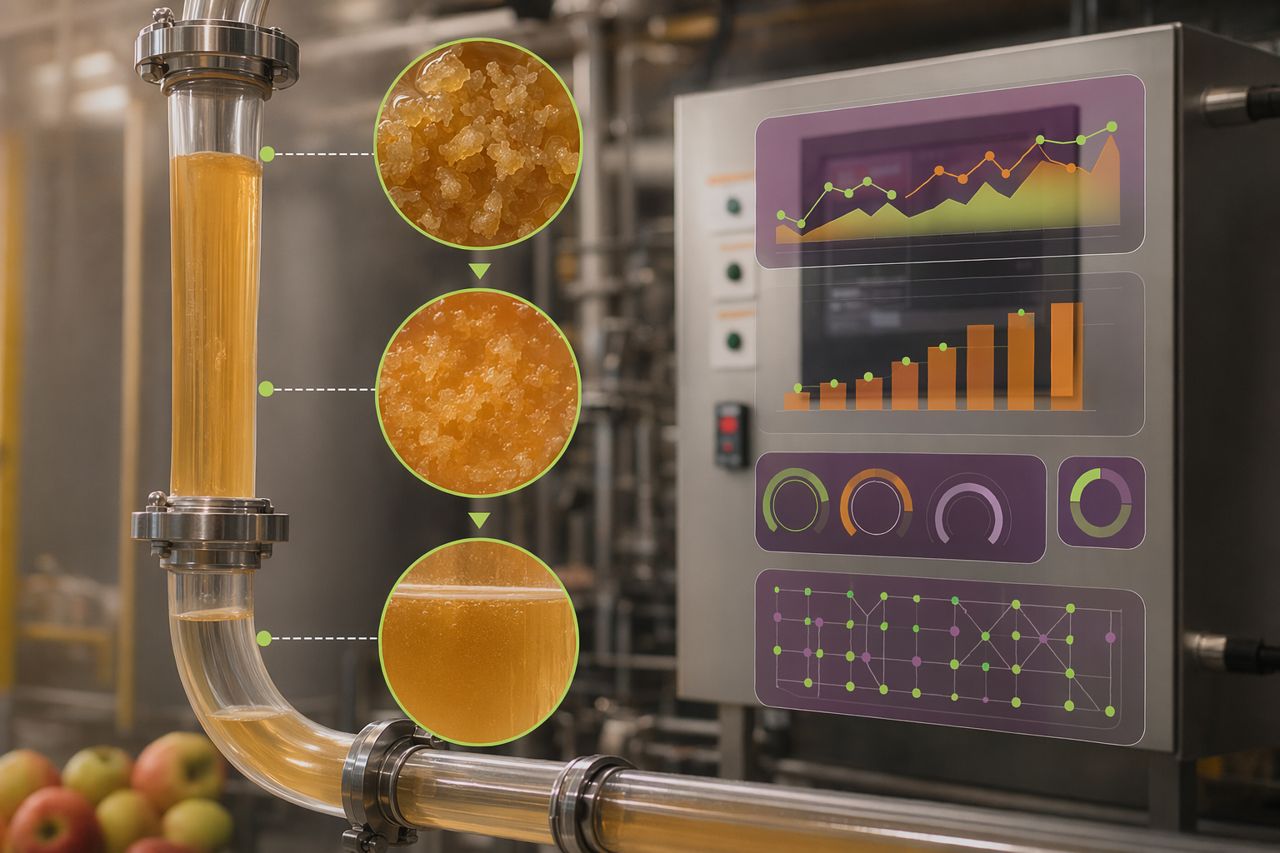
Request pricingPectinase is a process tool, not a warehouse afterthought. In juice, wine, fruit preparation, puree, and ingredient operations, pectinolytic enzymes help reduce pectin-driven viscosity, improve press yield, support clarification, and make downstream filtration more predictable. Those outcomes depend on how the enzyme is received, stored, transferred, and introduced to the process.
This guide covers practical storage and handling controls for industrial pectinase without relying on product-specific assay data or manufacturer-only methods.
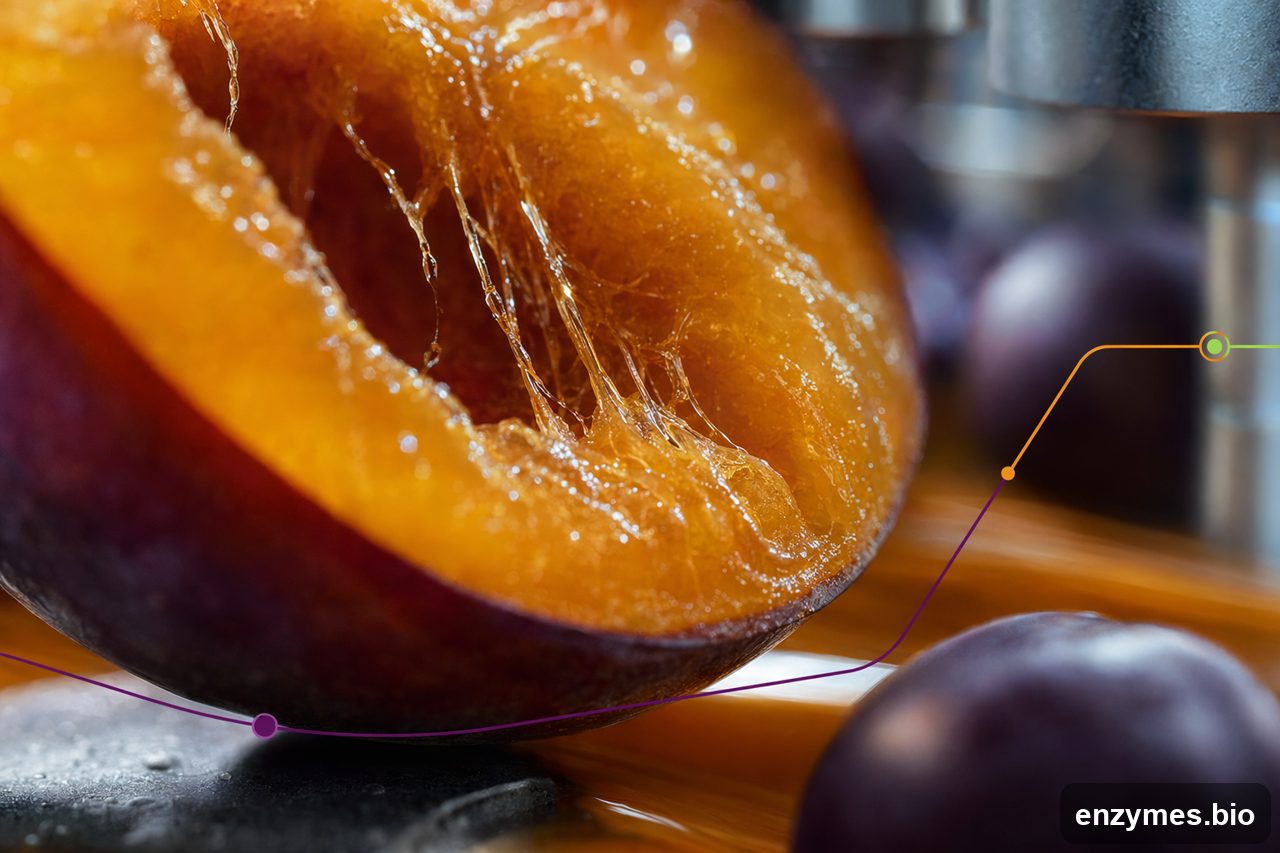
Pectinase is a protein-based processing aid. The main risks during storage and handling are:
The objective is simple: keep the enzyme sealed, clean, cool, dry where applicable, traceable, and easy for operators to dose consistently.
Build pectinase into your normal raw-material receiving workflow. At minimum, receiving teams should verify:
Do not move questionable material directly into production inventory. Quarantine it, photograph the condition, and resolve disposition through quality or procurement.
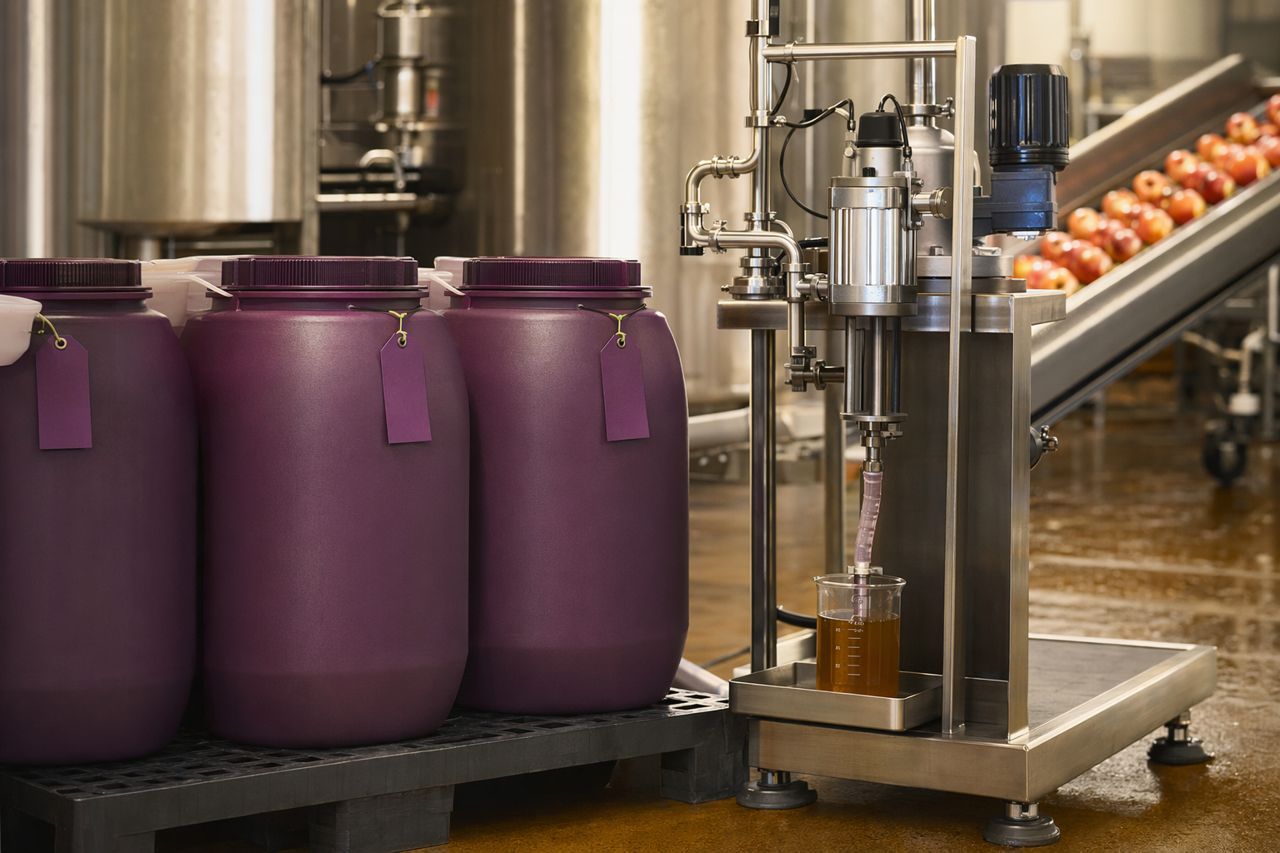
Liquid pectinase is convenient for metered dosing and fast dispersion, but it needs disciplined handling after opening.
Recommended controls:
For bulk liquid systems, pay attention to dead legs, hose sanitation, valve hygiene, and condensate. A technically sound enzyme can still underperform if the transfer system becomes a contamination source.
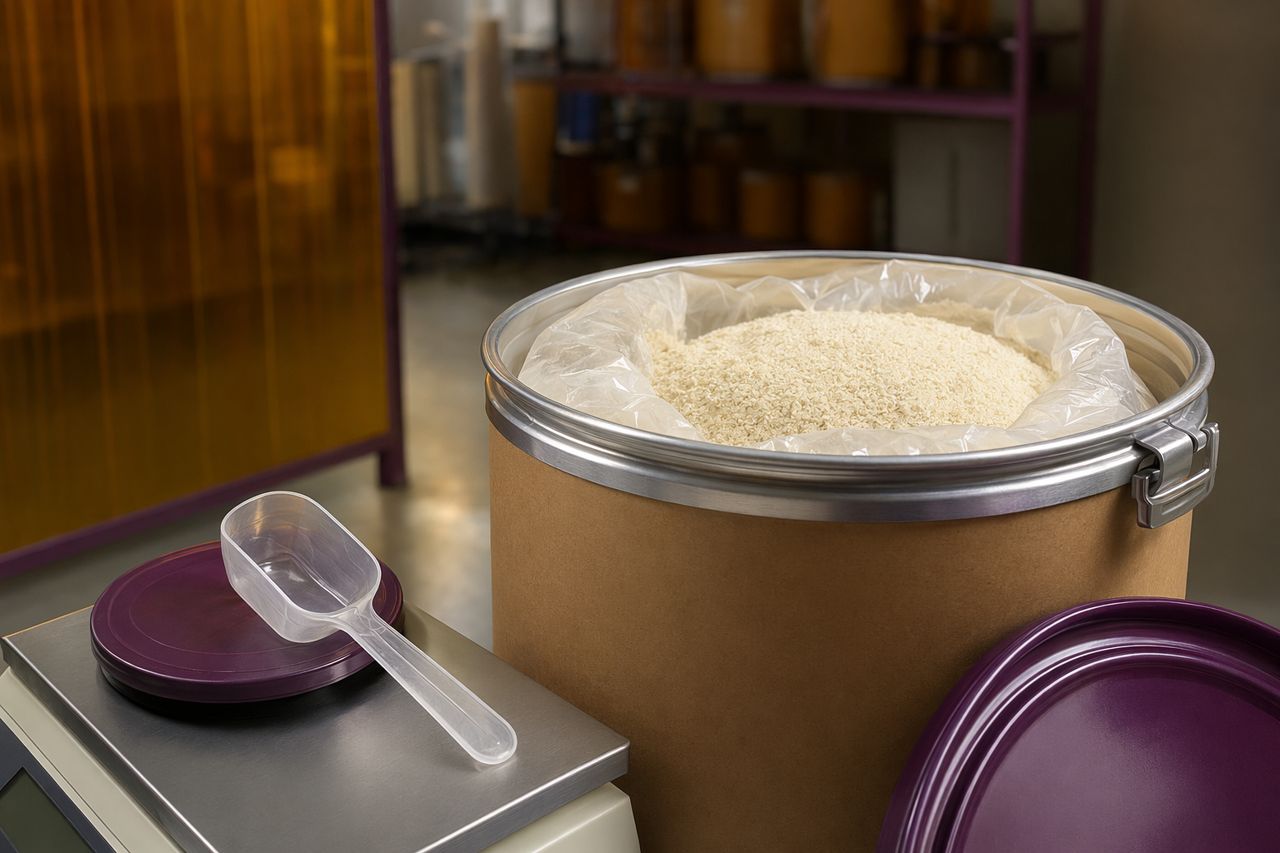
Dry pectinase formats are sensitive to moisture pickup and dusting. A small amount of humidity introduced repeatedly can create clumping, poor flow, and inconsistent weighing.
Recommended controls:
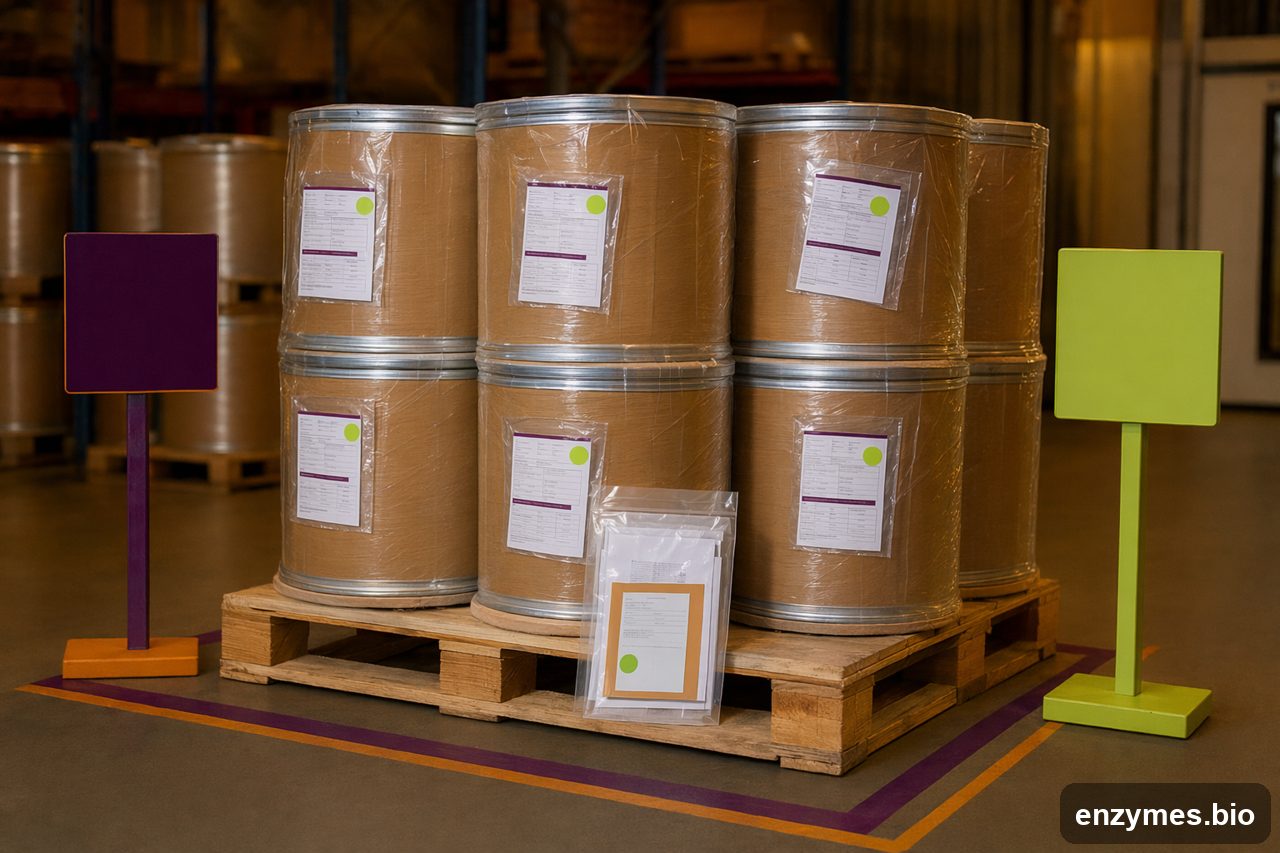
Powder handling should be designed to protect both material performance and operator comfort. Enzyme dust can be a respiratory sensitizer, so dust minimization is not optional.
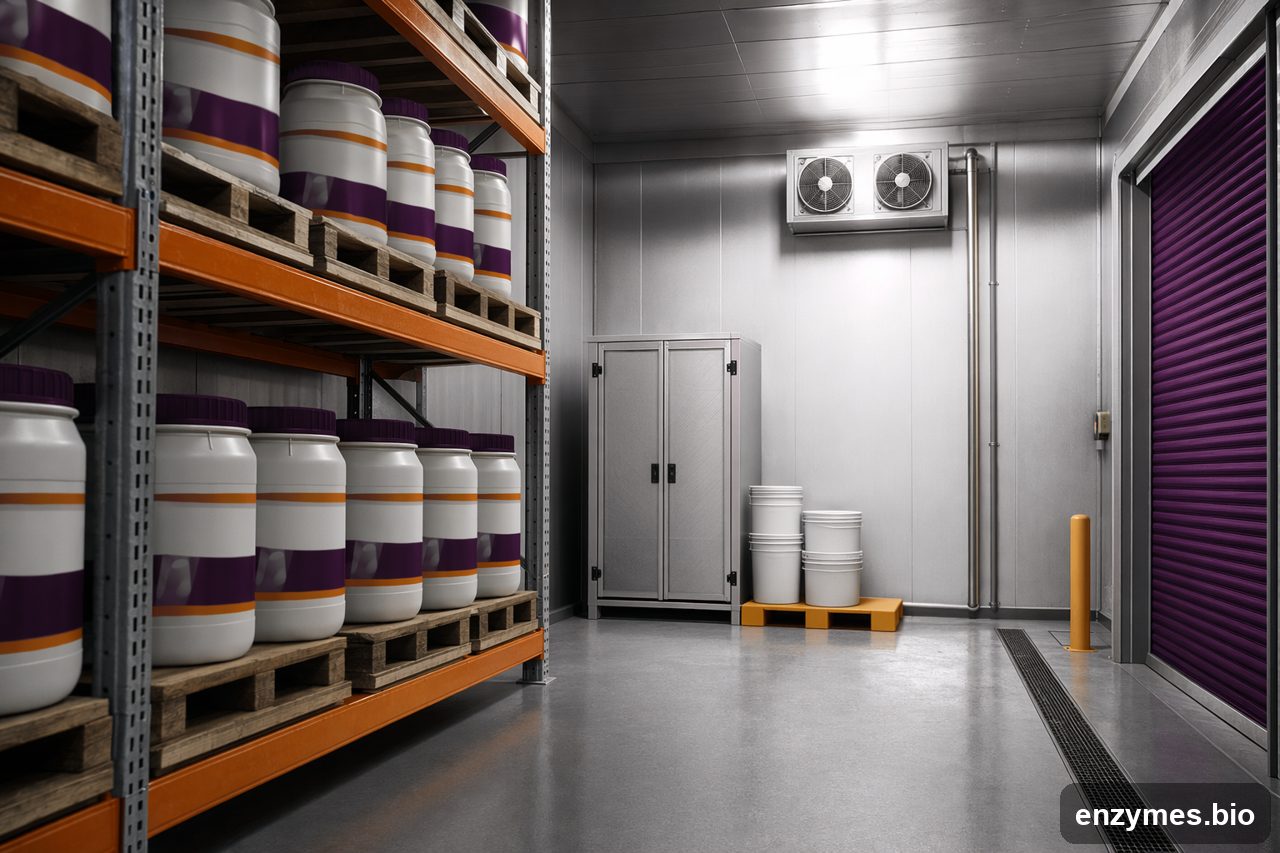
Pectinase does not need exotic storage, but it does need consistency. In most industrial settings, the strongest storage program includes:
Cool, stable conditions
Avoid hot mezzanines, boiler rooms, roofline storage, and unconditioned trailers. Temperature stability is often more important than short, controlled movements through normal plant areas.
Dry, protected placement
Keep containers away from standing water, hose reels, floor drains, washdown overspray, and humid air discharge.
Chemical segregation
Store away from strong acids, alkalis, oxidizing agents, sanitizers, solvents, and odor-intensive materials.
Lot-level traceability
Maintain first-expiry-first-out rotation, lot segregation where required, and clear status labeling for released, quarantined, opened, and rejected material.
Controlled access
Enzymes should be accessible to trained operators, not treated as general-use warehouse chemicals.
Pectinase works best when it is evenly distributed through the substrate. Handling steps should support dispersion, not create hot spots, clumps, or contact with incompatible materials.
Good production practice includes:
For fruit and juice systems, enzyme addition is often most effective when contact time, temperature, pH, solids loading, and mixing are controlled together. Storage quality cannot compensate for poor process integration.
The highest-risk moment for many pectinase materials is after the first opening. Define a clear opened-container rule in your quality system.
Include:
For liquids, look for visual changes, gas formation, damaged closures, or signs of contamination. For powders, look for clumping, wetting, caking, discoloration, torn liners, or foreign material. When in doubt, quarantine.
Always follow the site safety data sheet and internal procedure. Practical controls typically include:
Spill response should reduce exposure, prevent cross-contamination, and restore the area to a controlled production condition.
| Mistake | Why it matters | Better control |
|---|---|---|
| Leaving containers open during weighing | Moisture, dust, and contamination risk | Open only for transfer, then reseal immediately |
| Storing enzyme near washdown areas | Water ingress and label damage | Use dry, protected raw-material storage |
| Returning unused enzyme to the original container | Cross-contamination risk | Use single-direction transfer and discard or control leftovers |
| Using wet scoops for powder | Clumping and uneven dosing | Keep dedicated tools dry and covered |
| Holding liquid enzyme in dirty intermediate vessels | Microbial or foreign-material risk | Use clean, controlled dosing vessels |
| Ignoring opened-container dates | Weak traceability and variable performance | Label every opened unit and define in-use limits |
| Staging near heat sources | Accelerated loss of performance | Store away from steam, ovens, hot piping, and sun exposure |
| Treating enzymes like commodity chemicals | Poor operator control | Train teams on enzyme-specific handling risks |
For industrial buyers, storage and handling quality should be visible in the supply and use chain. Useful documentation may include:
The exact document package depends on application, geography, and customer requirements. For juice, wine, and ingredient manufacturing, align documentation before the first production trial, not after a purchase order is already moving.
Use this as a starting point for a pectinase handling SOP:
The best pectinase choice depends on substrate, process objective, and operating constraints. A wine clarification program may prioritize different handling and dosing behavior than a fruit puree viscosity-reduction step or a juice press-yield improvement project.
When evaluating supply, share the practical details that affect selection:
Pellucid Works can help translate those process facts into a practical pectinase supply brief.
Tell us what you are processing, what result you need, and how the enzyme will be stored and dosed on site. We will respond with fit-for-purpose pectinase options, packaging guidance, and documentation availability.
Some pectinase formats benefit from cool storage, while others are designed for controlled ambient storage. Follow the supplied storage statement and avoid heat exposure, sunlight, and temperature cycling.
Not automatically. Once opened, the material is exposed to plant handling conditions. Define an in-use period, resealing method, and inspection requirement in your quality system.
Only if the area is dry, clean, controlled, and protected from washdown, humidity, and dust contamination. Many plants get better results by staging only the quantity needed for the batch.
Yes, when the process procedure supports it. Use clean, compatible dilution liquid, avoid excessive heat, and do not hold diluted enzyme longer than the validated procedure allows.
For powders, moisture is usually the primary concern. For liquids, contamination and heat exposure are common risks. For both formats, poor lot control makes root-cause analysis harder when process performance changes.
Tell us your application and volume — we reply with pricing and lead time.