Field Notes
Pectinase in Food and Beverage Processing | Pellucid Works
A practical B2B guide to pectinase for juice, wine, fruit preparations, and ingredient processing: where it works, what it improves, and how to specify it.
Request pricing A practical B2B guide to pectinase for juice, wine, fruit preparations, and ingredient processing: where it works, what it improves, and how to specify it.
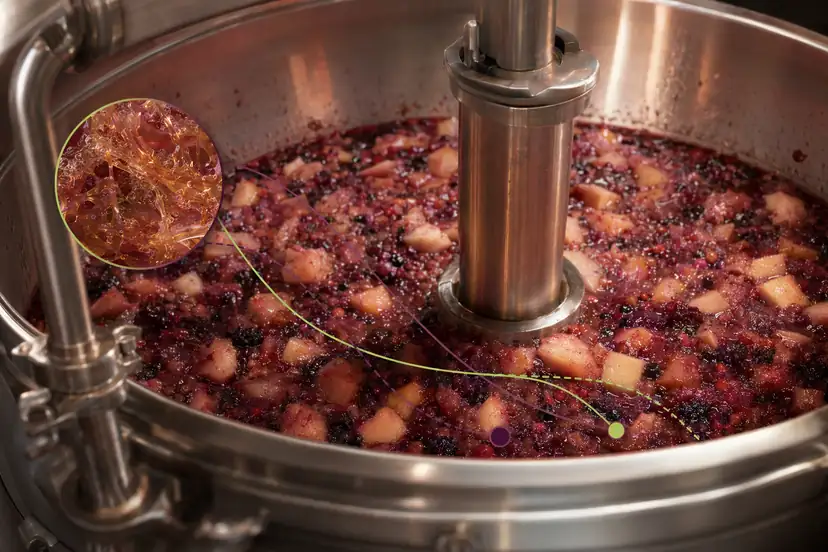
Request pricingPectinase is used where fruit structure gets in the way of yield, clarity, throughput, or texture control. In apples, berries, citrus, grapes, stone fruit, and many botanical extracts, pectin forms a hydrated network that holds liquid, traps suspended solids, and raises viscosity. Pectinolytic enzymes help open that network so processors can separate, clarify, concentrate, blend, or finish with more control.
For purchasing teams and formulation groups, the core question is not simply “Do we need pectinase?” It is: Which pectinase profile fits the raw material, the process window, and the finished specification?
Pellucid Works supports pectinase selection for food and beverage operations that need dependable processing behavior, clear documentation, and supply conversations grounded in the plant floor.
Pectinase is a functional group of enzymes that act on pectin, a complex plant polysaccharide concentrated in fruit cell walls and middle lamella. In processing terms, pectin contributes to:
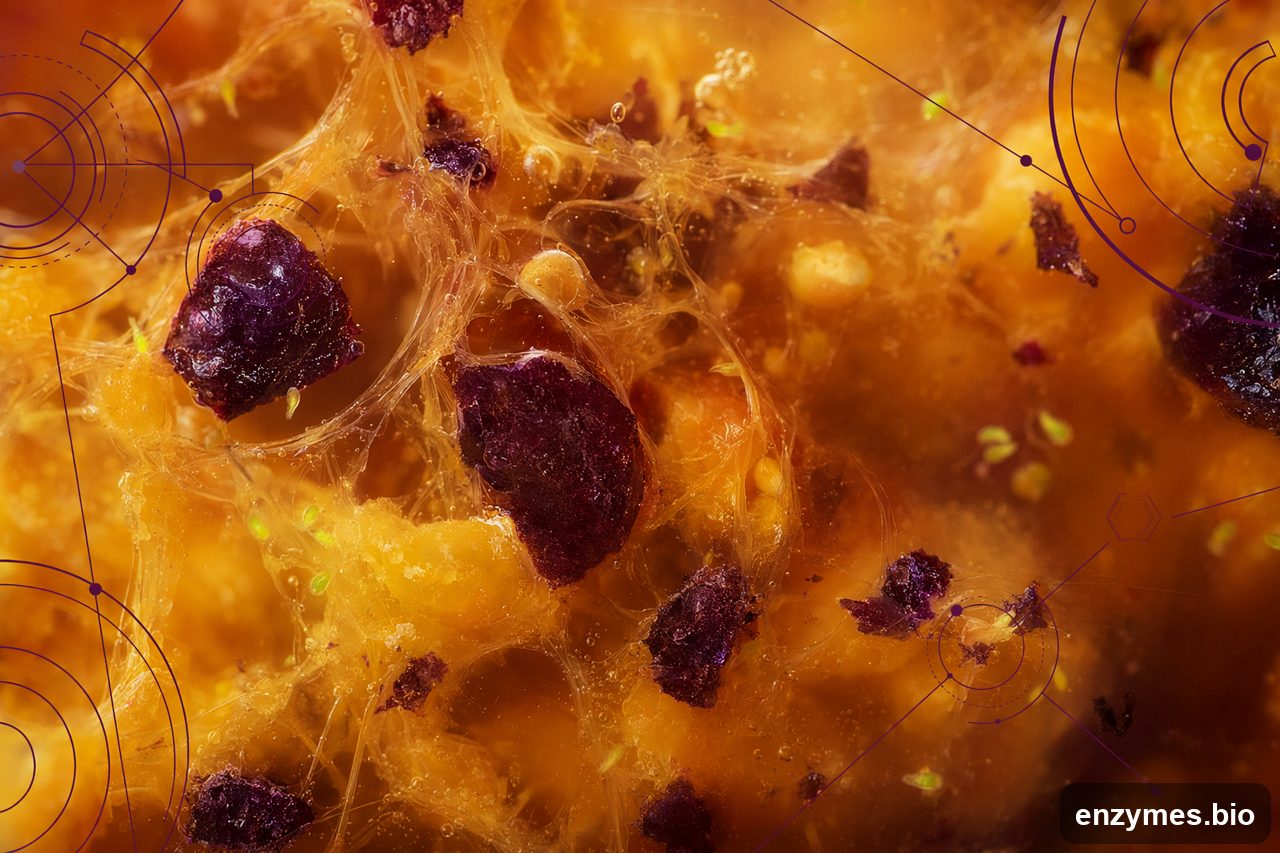
A pectinase preparation may include different pectinolytic activities that help break down the pectin network in complementary ways. The practical result is a more mobile, separable fruit matrix: juice moves more freely, suspended solids settle or filter more predictably, and downstream equipment sees less resistance.
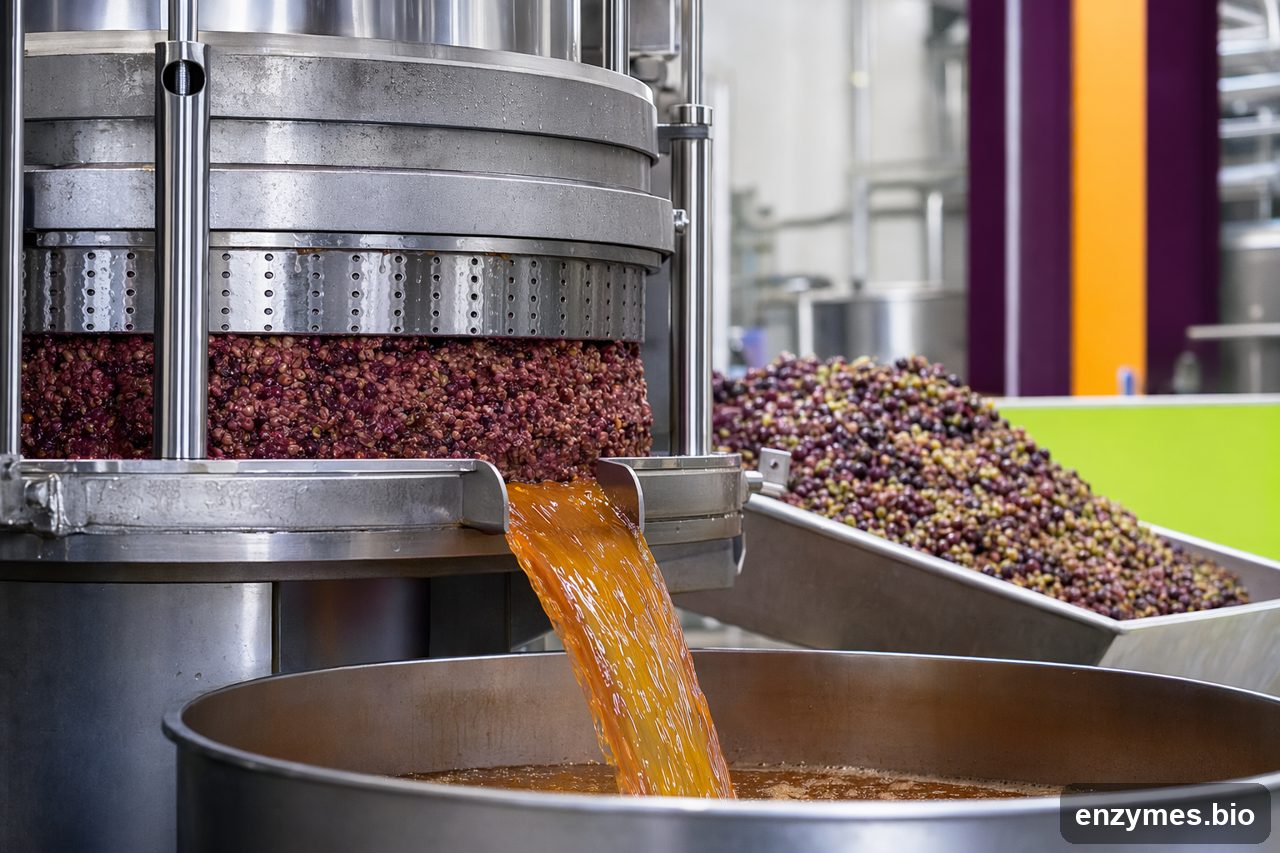
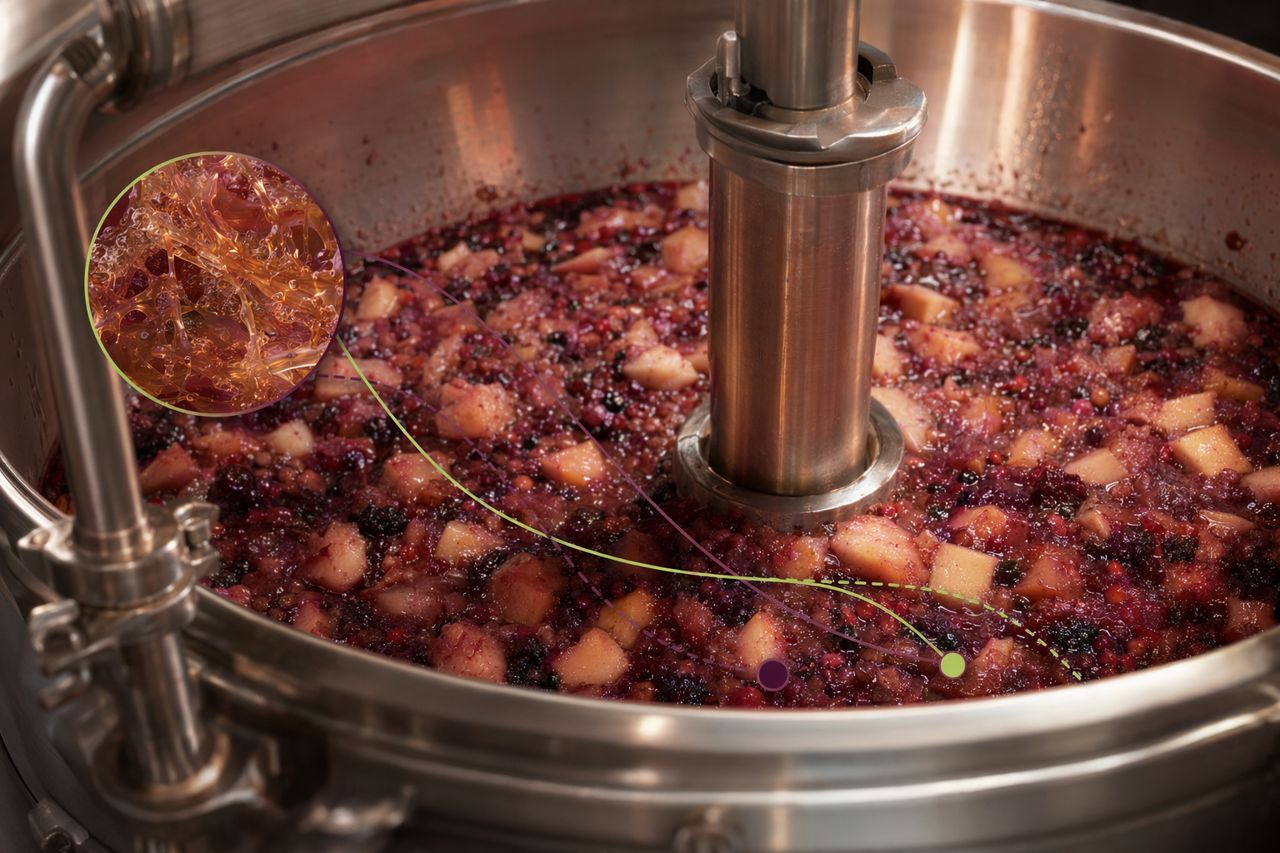
In apple, pear, berry, tropical fruit, and vegetable juice processing, pectinase can increase free-run liquid and improve press efficiency. It is typically applied during mash treatment or maceration, where the enzyme has direct access to fruit solids before separation.
Typical processing goals include:
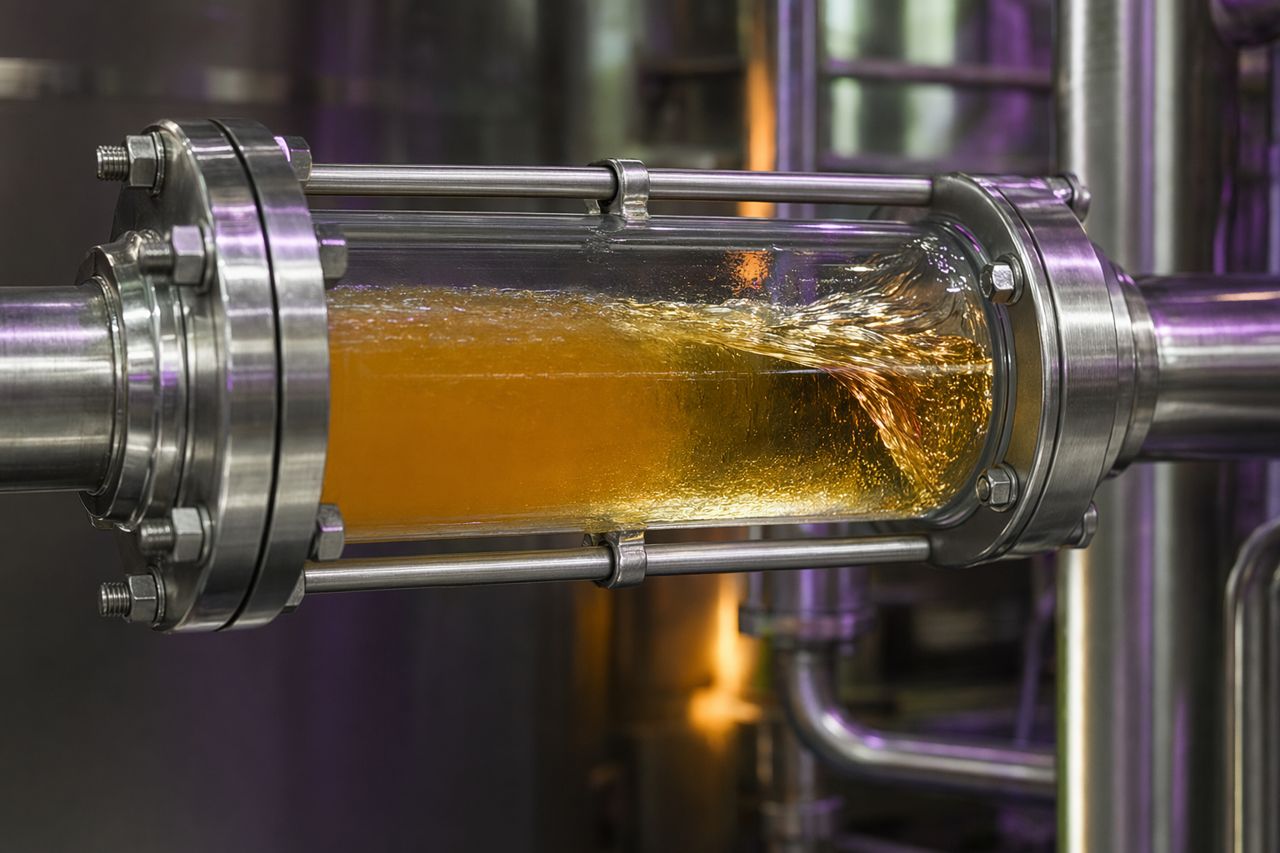
When a clear juice is required, pectinase helps reduce pectin-driven haze and supports clarification steps such as settling, flotation, centrifugation, and filtration. It can also reduce the risk of post-processing haze linked to residual pectin.
Useful outcomes include:
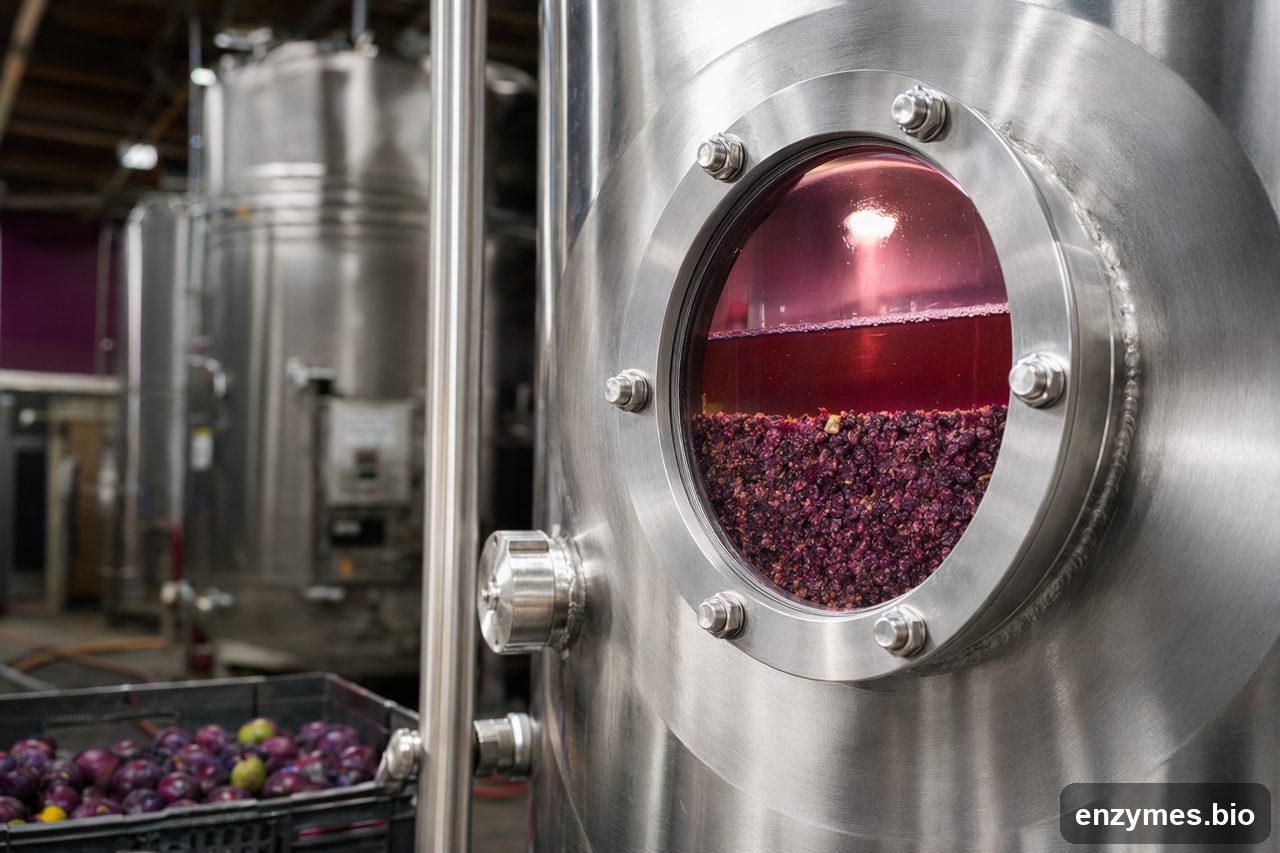
In grape, apple, pear, and berry fermentations, pectinase can support extraction, settling, and clarification. It may be used before pressing, during must treatment, or in clarification steps depending on the process design and style target.
Commercial objectives may include:
For fruit fillings, bases, preparations, and purees, pectinase is used when viscosity must be adjusted without excessive heat or mechanical shear. This is useful when a processor needs a pumpable intermediate, a controlled particle suspension, or a specific solids-handling behavior before blending.
Key use cases include:
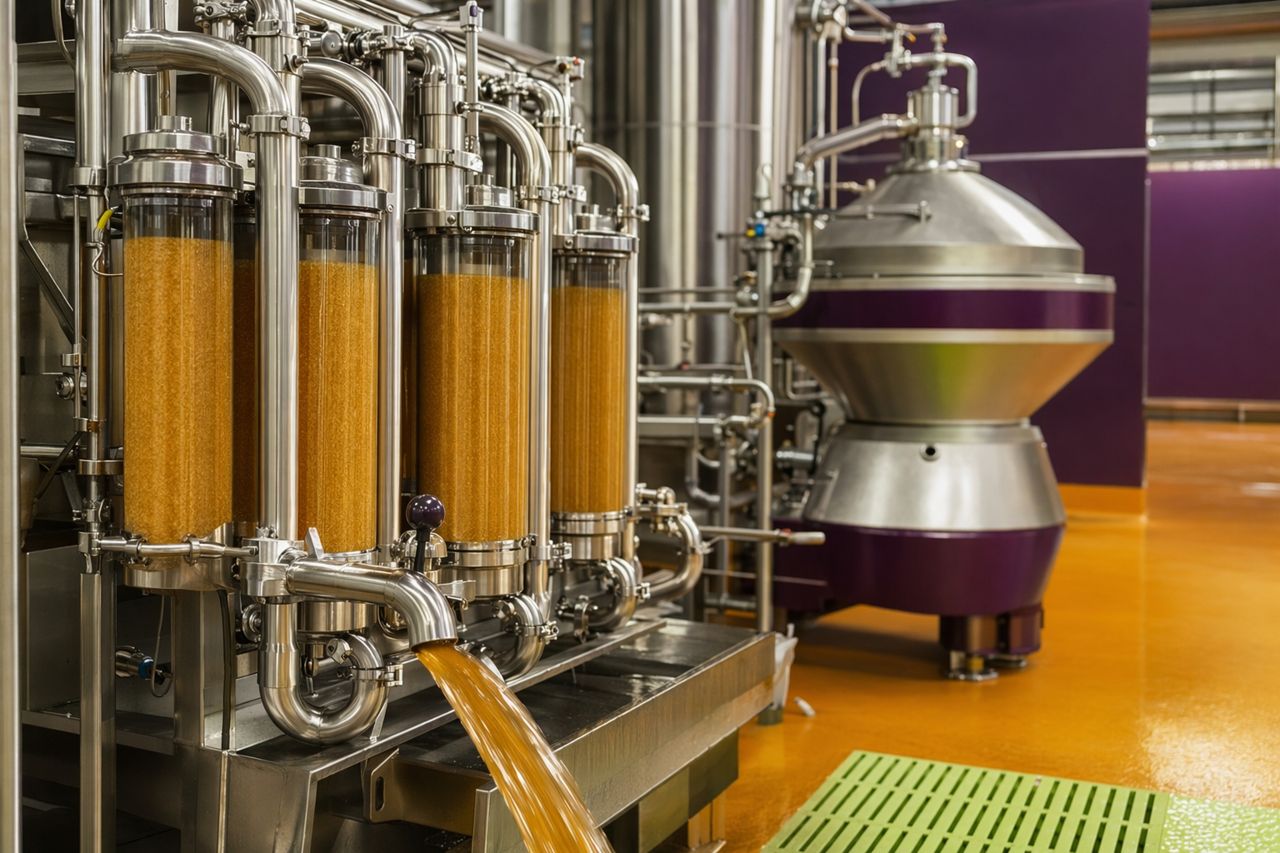
Ingredient producers use pectinase in the production of fruit extracts, botanical extracts, concentrates, and natural color or flavor streams. In these applications, the enzyme is selected for how it supports separation and recovery rather than for a consumer-facing claim.
Common targets include:
Pectinase is not purchased only for a label name. It is purchased for measurable changes in process behavior.
By loosening the fruit cell-wall matrix, pectinase can help release liquid and soluble material that would otherwise remain trapped in mash, pomace, or press cake. The value is most visible in high-pectin fruits, variable seasonal fruit, and operations where press capacity is a bottleneck.
Lower viscosity and improved solids separation can reduce residence time in pressing, settling, filtration, and centrifugation. The right pectinase profile can make a process feel less sticky: fewer slowdowns, less unpredictable loading, and smoother movement from tank to tank.
Pectin can stabilize haze and keep fine particles suspended. Pectinase helps reduce that stabilizing effect, making downstream clarification more manageable. For clear juices, wines, ciders, and extracts, this can be the difference between a bright process and a long corrective hold.
Fruit is not a fixed raw material. Variety, maturity, storage, and supplier differences all influence pectin behavior. A properly specified pectinase program can help narrow batch-to-batch variation and reduce the need for late-stage process corrections.
When enzymes do the structural work, processors may be able to reduce reliance on harsher mechanical treatment or excessive heat exposure, depending on the application. That can help protect color, aroma, and process economics while still meeting operational targets.
A good pectinase match starts with the material and the process, not a generic product name. Buyers should evaluate:
For many facilities, the best pectinase choice is not the most aggressive option. It is the one that delivers the required change within the plant’s actual hold time, tank geometry, sanitation rhythm, and separation equipment.
Both formats can work well. The right choice depends on handling, dosing infrastructure, storage expectations, and procurement strategy.
Liquid products are often favored where operators want easy metering, fast dispersion, and simplified tank-side use. They can be attractive for beverage plants and continuous or semi-continuous processing environments.
Powder products may be preferred where longer inventory flexibility, compact shipping, or dry blending into premixes is useful. They require appropriate dispersion procedures and dust-control discipline during handling.
| Application | Primary process issue | What pectinase helps control |
|---|---|---|
| Apple and pear juice | Mash viscosity and press yield | Drainage, juice release, clarification readiness |
| Berry juice | Pectin-rich pulp and fine solids | Extraction, color release, separation behavior |
| Citrus processing | Cloud, pulp, and peel-derived pectin | Viscosity adjustment and stream handling |
| Grape must and wine | Settling and filtration resistance | Clarification, press performance, solids management |
| Fruit purees | Pumpability and batch variation | Controlled viscosity reduction |
| Botanical extracts | Bound soluble material and difficult separation | Recovery, centrifuge feed behavior, concentration readiness |
Before approving a pectinase supplier, industrial buyers should request a clear technical and commercial packet. Depending on the market and application, this may include:
Pellucid Works keeps specification conversations practical: what the enzyme needs to do, what documentation the receiving facility needs, and what supply format supports your process.
A productive pectinase trial should be designed around a defined process target. “Better” is too vague. Set a measurable operational endpoint such as:
Keep raw material lots as consistent as possible during comparison. Record fruit maturity, temperature, pH, contact time, mixing conditions, separation equipment settings, and the exact point of addition. These details often explain performance differences more clearly than the enzyme name alone.
Pectinase preparations differ in composition, side activities, format, stability, and process behavior. A product that performs well in apple mash may not be the right choice for berry puree or a delicate wine clarification step.
If the enzyme does not fit the plant’s available temperature, pH, contact time, and mixing conditions, the specification will underperform even if the product is technically sound.
Bench trials are useful for screening, but scale changes the picture. Tank mixing, solids distribution, heating profiles, and separation equipment all influence real production performance.
A lower purchase price can be expensive if it slows filtration, reduces yield, increases corrective processing, or creates batch variability. Compare total process value, not only pack price.
Bring us in when your team is:
We will focus the conversation on your raw material, process window, operational target, and documentation requirements.
Use the form below to contact Pellucid Works directly. Tell us what you process, what outcome you need, and whether you prefer powder, liquid, or open-format recommendations.
Pellucid process. Clear decisions. Enzyme selection built around the line, not the brochure.
Tell us your application and volume — we reply with pricing and lead time.