Pectinase for Clarification: Why Juice, Wine, and Plant Beverages Turn Cloudy
A process-focused guide to pectin haze, poor clarification, filter loading, and how pectinase supports cleaner separation in juice, wine, and plant-based beverage production.
Pectinase for Clarification: Why Cloudiness Happens
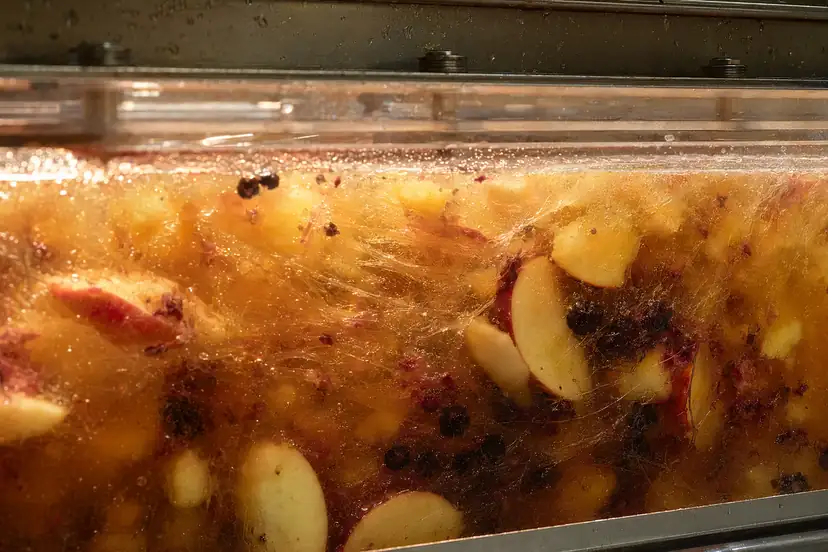
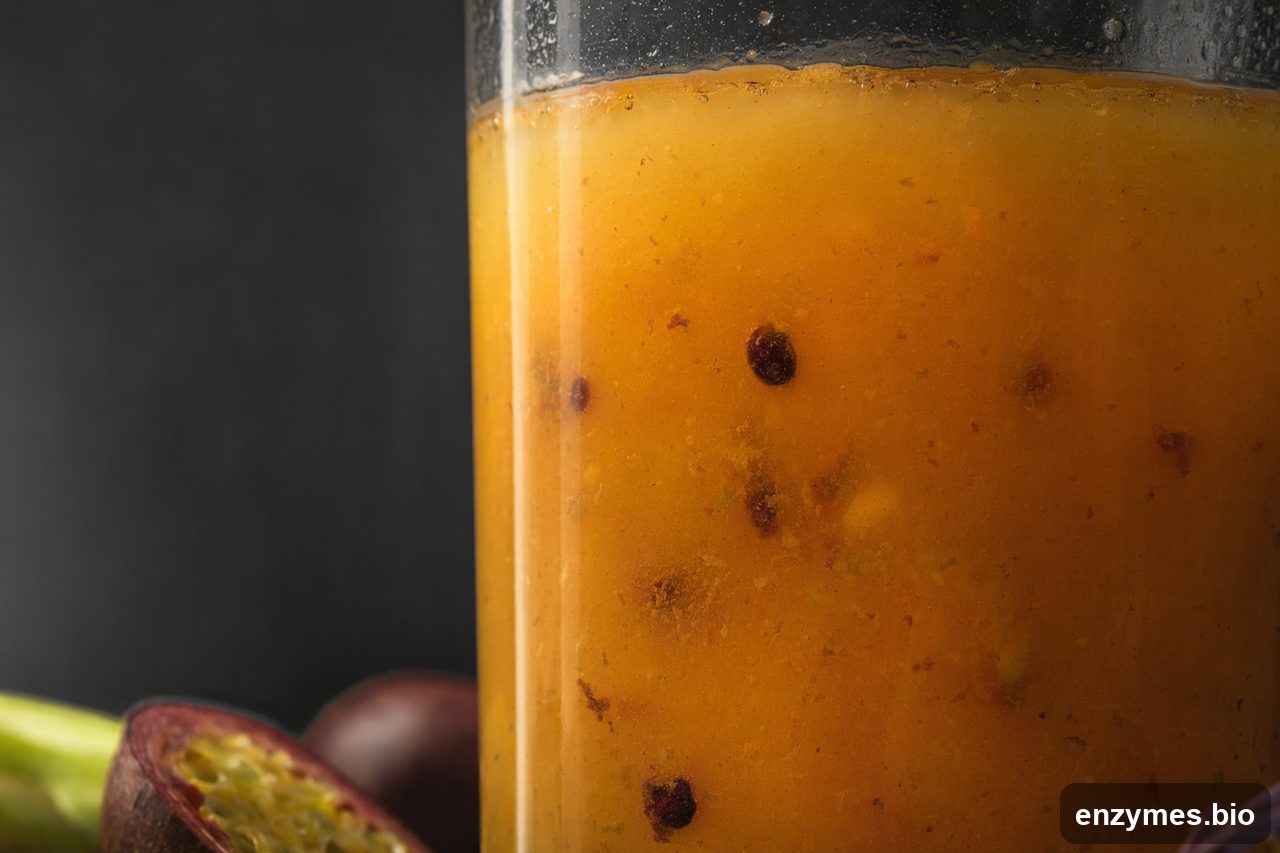
Cloudiness is not a single defect. In fruit juice, wine, puree extracts, and plant beverages, haze can come from starch, protein, tannin complexes, suspended solids, microbial instability, or processing damage. But when the cloud is persistent, gel-like, slow to settle, and difficult to filter, pectin is often part of the structure holding the system together.
Pectinase helps break that structure. Used correctly, it reduces viscosity, improves juice release, supports clarification, and lowers downstream load on centrifuges, decanters, membranes, sheet filters, and polishing steps.
Pellucid Works supplies pectinase for industrial teams that need predictable clarification behavior, practical documentation, and procurement-ready support—not vague enzyme claims.
Why pectin creates haze
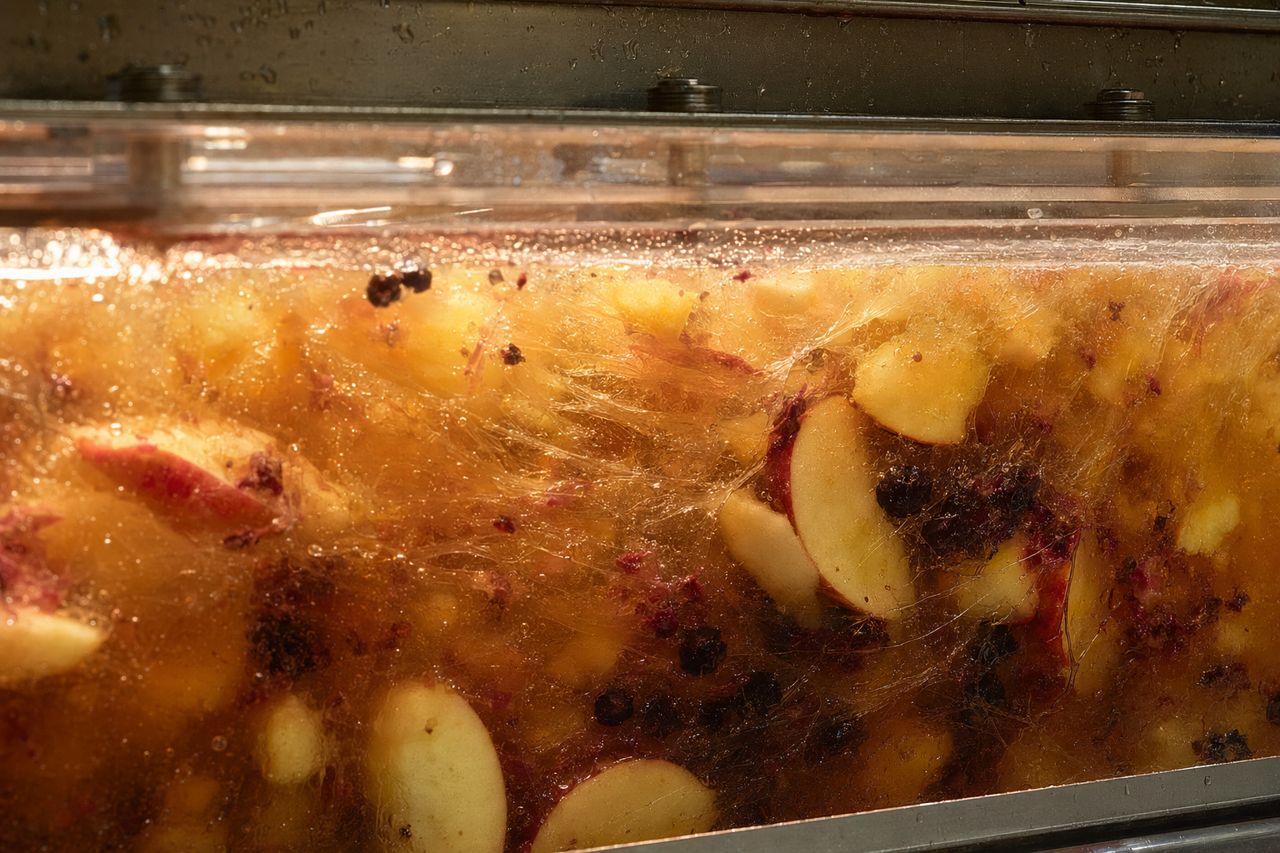
Pectin is a structural polysaccharide found in fruit cell walls and middle lamella. During crushing, pressing, milling, thermal treatment, or extraction, pectin moves into the liquid phase. Once dispersed, it can form a hydrated network that traps fine particles and stabilizes cloud.
That network can make a process look under-separated even when the equipment is working correctly.
Common signs of pectin-related cloudiness include:
Slow settling after press or extraction
High viscosity in juice, mash, or plant extract
Poor separation during centrifugation
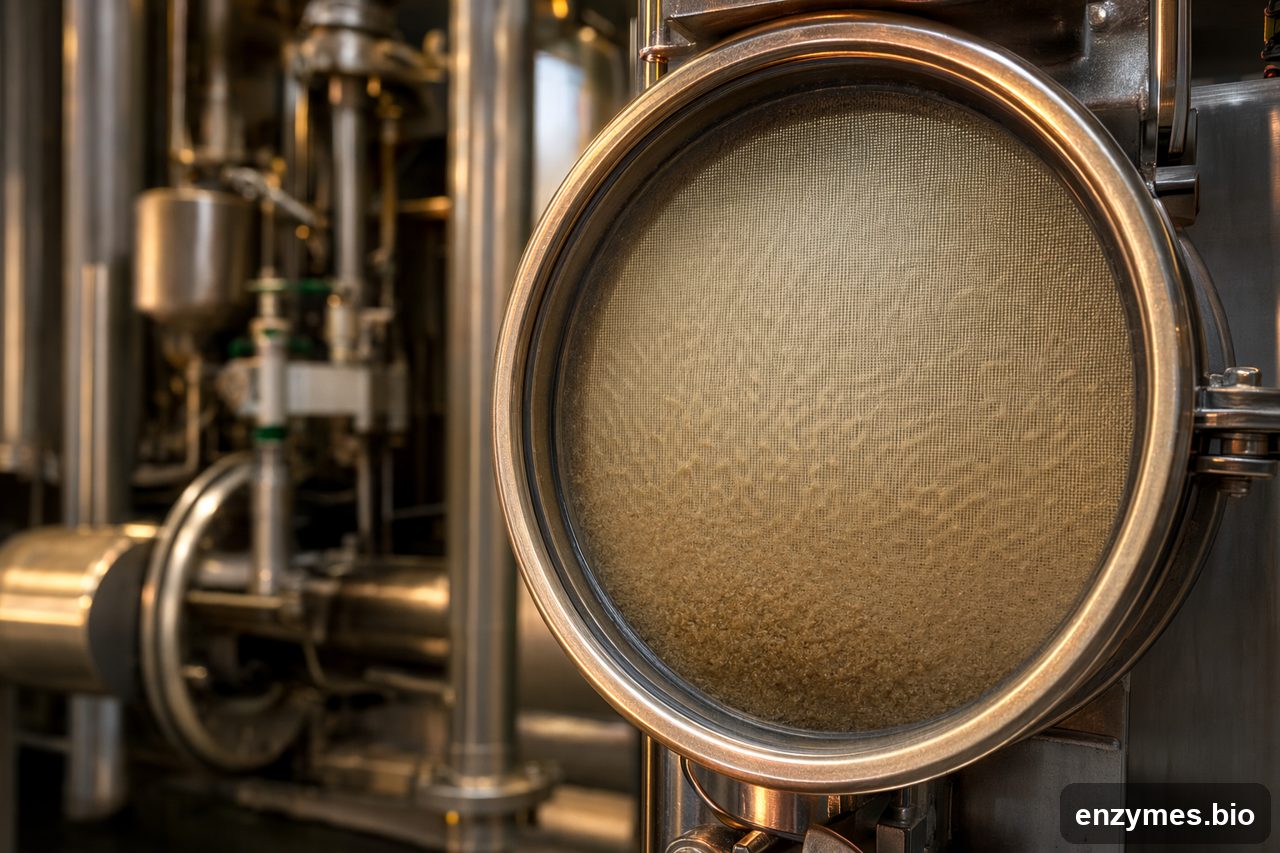
Rapid filter blinding
Haze that remains after coarse filtration
Soft gel formation in holding tanks
Inconsistent clarification between fruit lots or harvest periods
Lower free-run yield or retained liquid in pomace
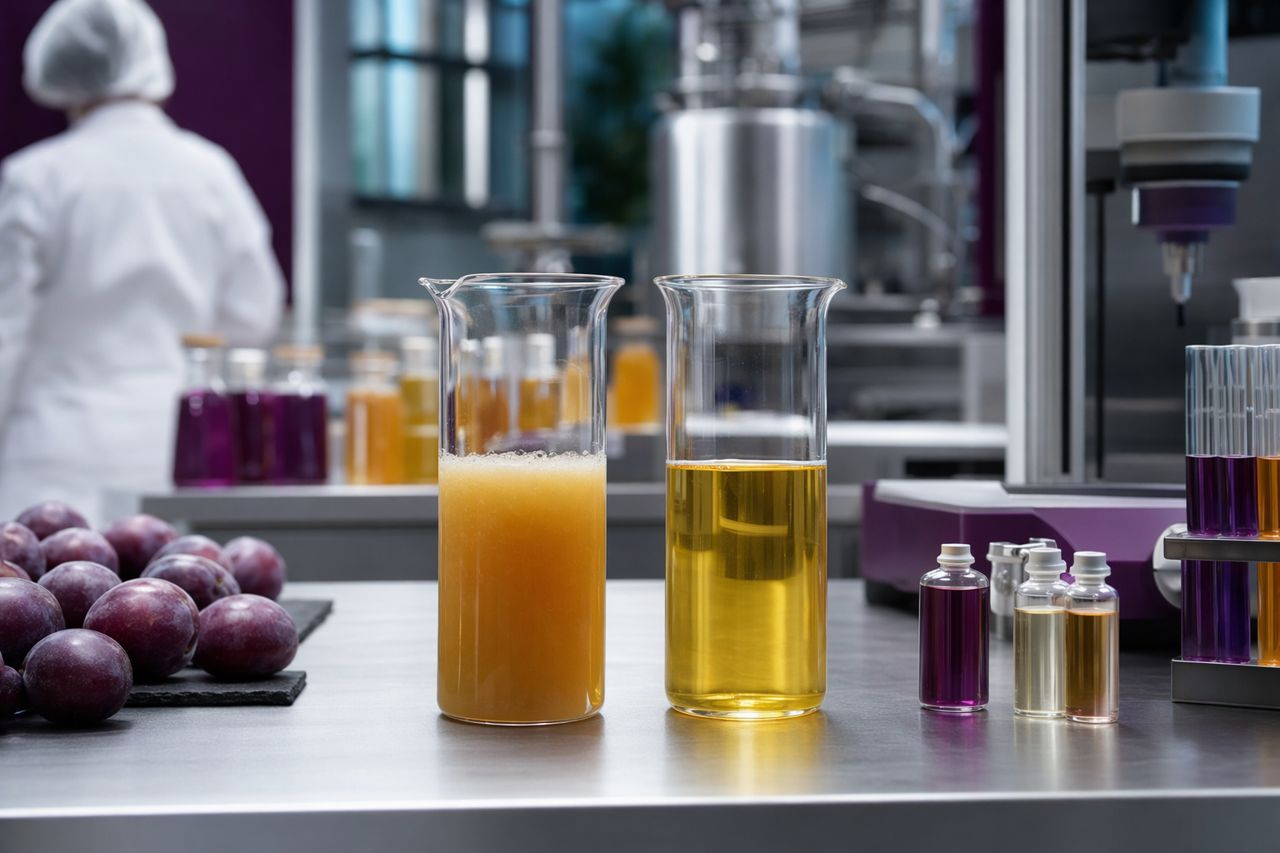
Pectinase does not simply “clear liquid.” It changes the physical behavior of the process stream so solids, colloids, and liquid phases can separate more cleanly.
What pectinase does in a clarification process
Pectinase is a pectinolytic enzyme system that hydrolyzes pectin-rich structures. In practical production terms, that means it can:
Reduce pectin-driven viscosity
Open fruit pulp structure for better juice release
Break cloud-stabilizing gel networks
Improve settling and floc formation
Increase clarification speed before filtration
Reduce filter pressure rise and media consumption
Improve flow through membrane or sheet filtration systems
Support brighter juice, wine, cider, and fruit bases
The best outcome is not always the most aggressive enzyme treatment. Clarification depends on raw material, pectin load, contact time, temperature profile, pH, hold conditions, and downstream equipment. A controlled treatment window is usually more valuable than a high-dose correction step after the system has already overloaded.
Where pectinase fits in the process
Pectinase can be used at several points, depending on the product and plant design.
Mash or pulp treatment
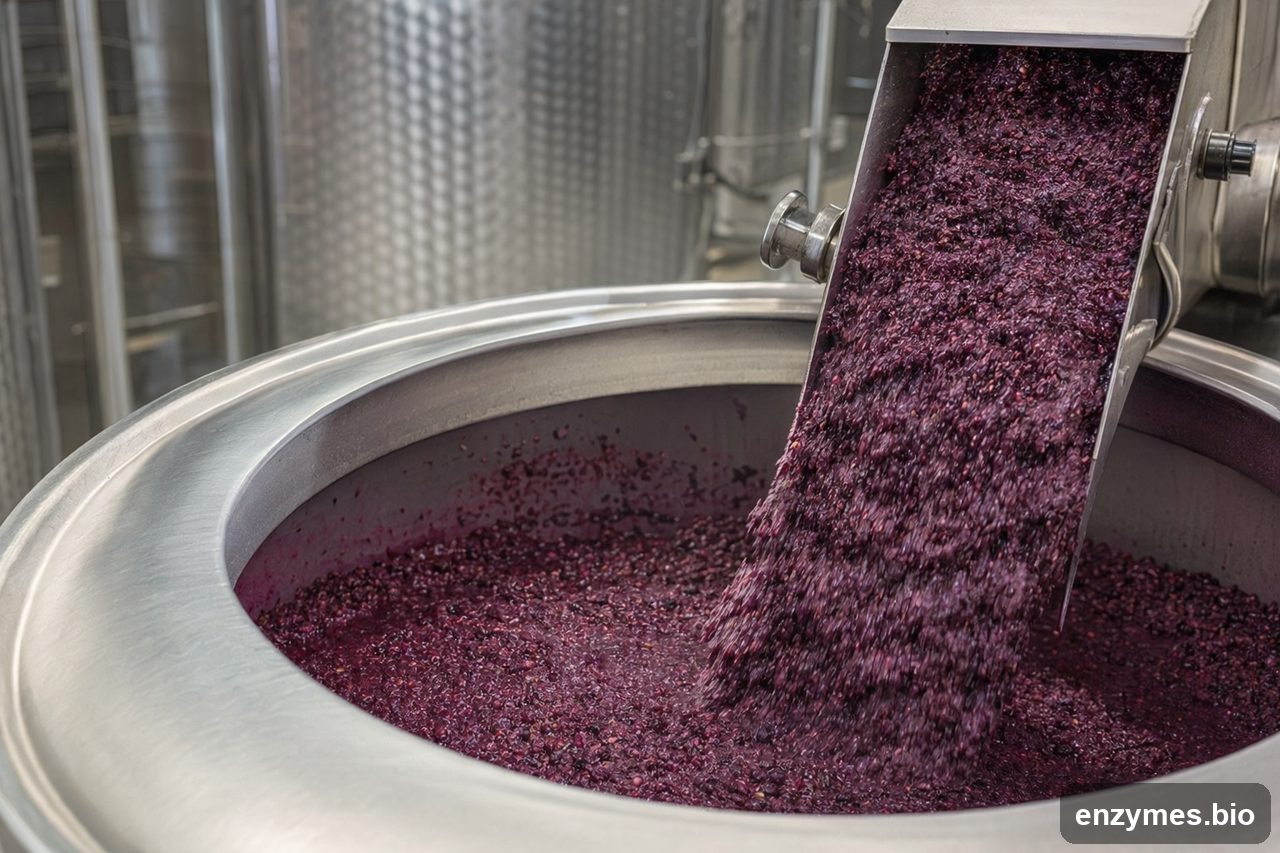
For crushed fruit, berry mash, apple pulp, citrus blends, or tropical fruit preparations, pectinase is often applied before pressing or decanting. This can improve liquid release and reduce retained juice in solids.
Best fit when the goal is:
Higher extractable liquid yield
Lower mash viscosity
Faster press cycles
More consistent separation across raw material variability
Juice clarification before filtration
In cloudy juice, cider, wine must, or fruit base production, pectinase can be used before centrifugation, flotation, fining, or filtration.
Best fit when the goal is:
Reduced haze burden
Lower filter loading
Improved polish filtration performance
More stable clarified liquid before blending or concentration
Pre-concentration or ingredient preparation
For ingredient manufacturers working with fruit extracts, purees, and botanical or plant-derived liquids, pectinase can reduce viscosity before evaporation, concentration, membrane handling, or drying-related preparation.
Best fit when the goal is:
Better pumping behavior
More uniform thermal transfer
Reduced fouling tendency
Cleaner upstream preparation before value-added processing
Troubleshooting cloudy product: pectin or something else?
Pectinase is powerful, but not every haze is pectin haze. Before increasing treatment, identify the likely cause.
Observation
Likely implication
Process response
Liquid remains viscous and slow to settle
Pectin network may be stabilizing solids
Evaluate pectinase contact time and mixing
Filter pressure rises quickly after coarse removal
Fine colloids and hydrocolloid load may be high
Treat earlier, then clarify before polishing
Cloud varies by fruit lot
Raw material pectin and maturity variation
Build a pilot dose curve by lot type
Haze appears after heating
Protein, pectin, or polyphenol interactions may be involved
Review heat step, enzyme timing, and fining sequence
Good settling but final haze remains
Non-pectin colloids may dominate
Consider complementary clarification controls
Treatment works in lab but not plant
Mixing, temperature, residence time, or sequence may differ
Match pilot conditions to plant reality
A common mistake is treating pectinase like an emergency additive at the end of the line. In most processes, it performs better when placed before the pectin network has already caused filter overload or tank bottlenecks.
Process variables that matter
Clarification performance depends on the treatment environment. Formulation and production teams should review:
Raw material condition
Fruit variety, ripeness, storage damage, mechanical shear, freezing history, and peel or pulp inclusion can all change pectin load. Two batches with the same Brix can behave very differently in clarification.
Contact time
Pectinase needs residence time inside the process stream. Short contact can leave the pectin network partially intact, while excessively long or poorly controlled holding may not provide proportional benefit.
Temperature profile
Pectinase performance changes with process temperature. Cold streams may need longer contact. Hot steps may require enzyme placement before thermal exposure or a formulation selected for the intended process window.
pH environment
Most fruit systems are naturally acidic, which is favorable for many pectinolytic applications. However, blends, botanical extracts, and plant-based beverage bases may shift the pH environment enough to affect performance.
Mixing quality
Uneven enzyme distribution creates uneven clarification. In viscous pulp or high-solids streams, mixing design can matter as much as the selected enzyme.
Downstream equipment
The enzyme treatment should be designed around the actual separation method: press, decanter, centrifuge, flotation, fining, membrane, sheet filter, or cartridge polish. The target is not just clearer liquid—it is a smoother process path.
Benefits for processors and ingredient manufacturers
A well-matched pectinase program can support measurable process improvements:
More consistent clarification from batch to batch
Lower viscosity before separation
Faster settling or flotation response
Reduced filter changes and pressure spikes
Improved centrifuge or decanter performance
Better juice recovery from pulp and pomace
Reduced rework caused by persistent cloud
Cleaner preparation for concentration, blending, or packaging
For industrial buyers, the commercial value is usually found in throughput, yield, labor, and filtration cost—not just visual clarity.
Selecting pectinase for your application
When evaluating pectinase, request information that maps to your production reality:
Pellucid Works can support procurement and formulation teams with specification review, application fit, sample planning, and commercial supply discussion.
A practical pilot approach
For cloudy juice, wine, or plant beverage troubleshooting, begin with a small, controlled evaluation:
Pull a representative process sample before final filtration.
Compare untreated control against staged pectinase treatments.
Hold each sample under plant-relevant temperature and mixing conditions.
Observe viscosity, settling rate, supernatant clarity, and filterability.
Confirm that the selected condition transfers to plant equipment.
Lock the enzyme addition point, contact time, and mixing protocol into the batch record.
The goal is not to chase a laboratory-perfect glass. The goal is to establish a dependable clarification step that protects throughput and product specification.
Request pricing or application support
If your team is evaluating pectinase for clarification, yield improvement, viscosity reduction, or filtration relief, send the process details below. Pellucid Works will respond with product-fit guidance and pricing through our own commercial form.