Pectinase for Winemaking and Grape Must Processing | Pellucid Works
Process-focused pectinase for grape must handling, maceration support, juice release, pectin haze control, settling, clarification, and filtration behavior in wine production.
Pectinase for Winemaking and Grape Must Processing
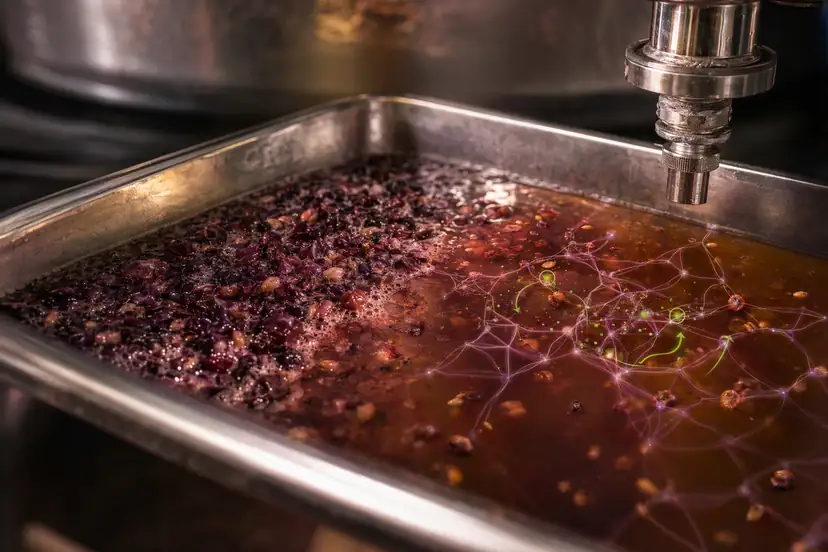
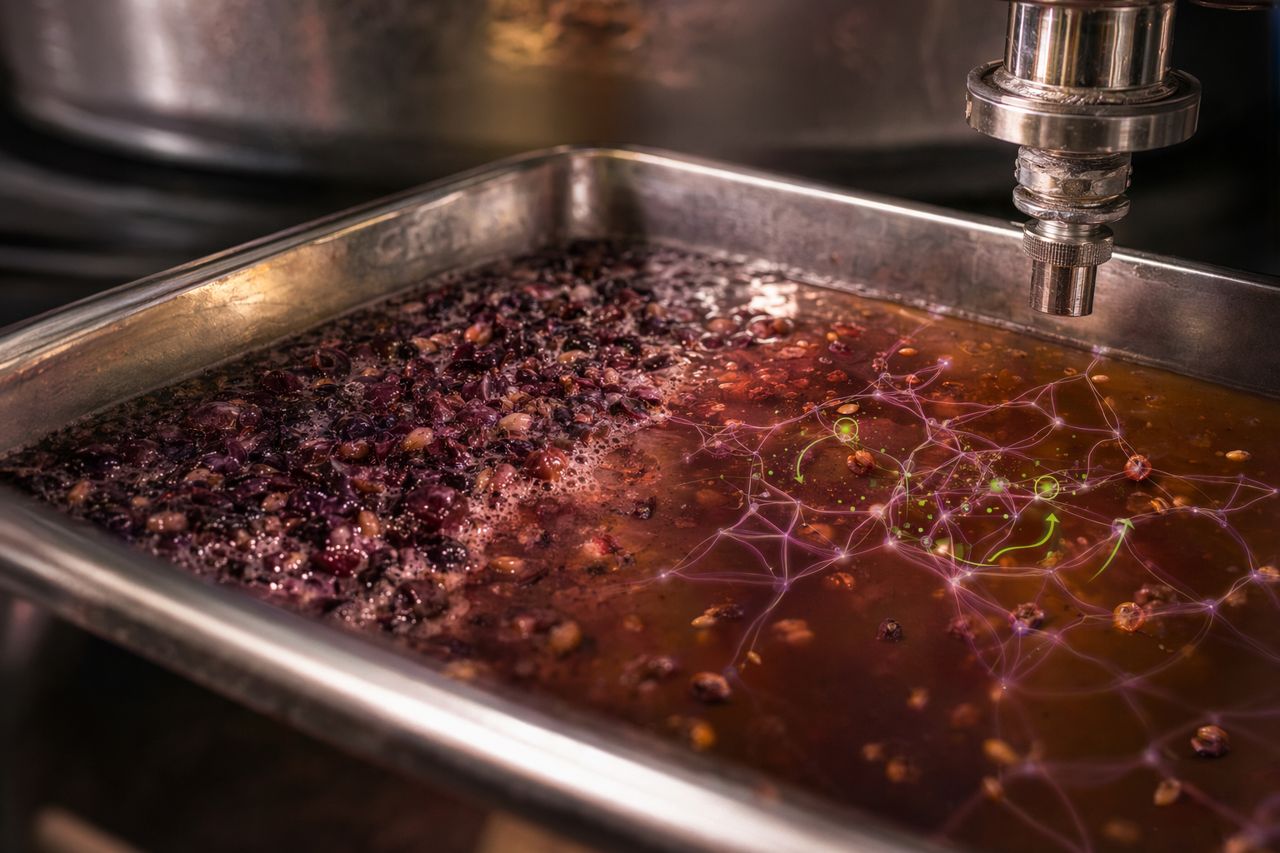
Grape pectin is a small fraction of must chemistry with an oversized impact on plant performance. When pectin-rich skins, pulp, and colloids remain intact, must can hold viscosity, resist settling, trap juice in solids, and create filtration drag later in the cellar.
Pellucid Works supplies Pectinase (Pectinolytic Enzyme) for wineries, grape processors, custom crush operations, and ingredient manufacturers that need predictable handling from crush through clarification. The objective is not generic “enzyme addition.” It is controlled pectin breakdown at the point where your process needs flow, release, extraction, or haze reduction.
What pectinase does in grape must
Pectinase targets pectic substances in grape cell walls and colloidal networks. In practical cellar terms, that can help:
Reduce must viscosity for easier pumping, mixing, and press loading
Improve free-run and press juice release from grape solids
Support maceration objectives in red, rosé, and skin-contact programs
Accelerate settling or flotation by weakening pectin-stabilized suspensions
Reduce pectin-related haze risk before fining, stabilization, or filtration
Improve pre-filtration behavior by lowering colloidal load and gel formation
The result is a more cooperative must stream: less gel-like resistance, cleaner phase separation, and fewer surprises at the filter.
Built for winery process decisions
Pectinase selection should follow the way your cellar actually runs. Pellucid Works supports buyers and technical teams evaluating pectinase for different grape varieties, temperature regimes, contact times, and clarification targets.
White and rosé must clarification
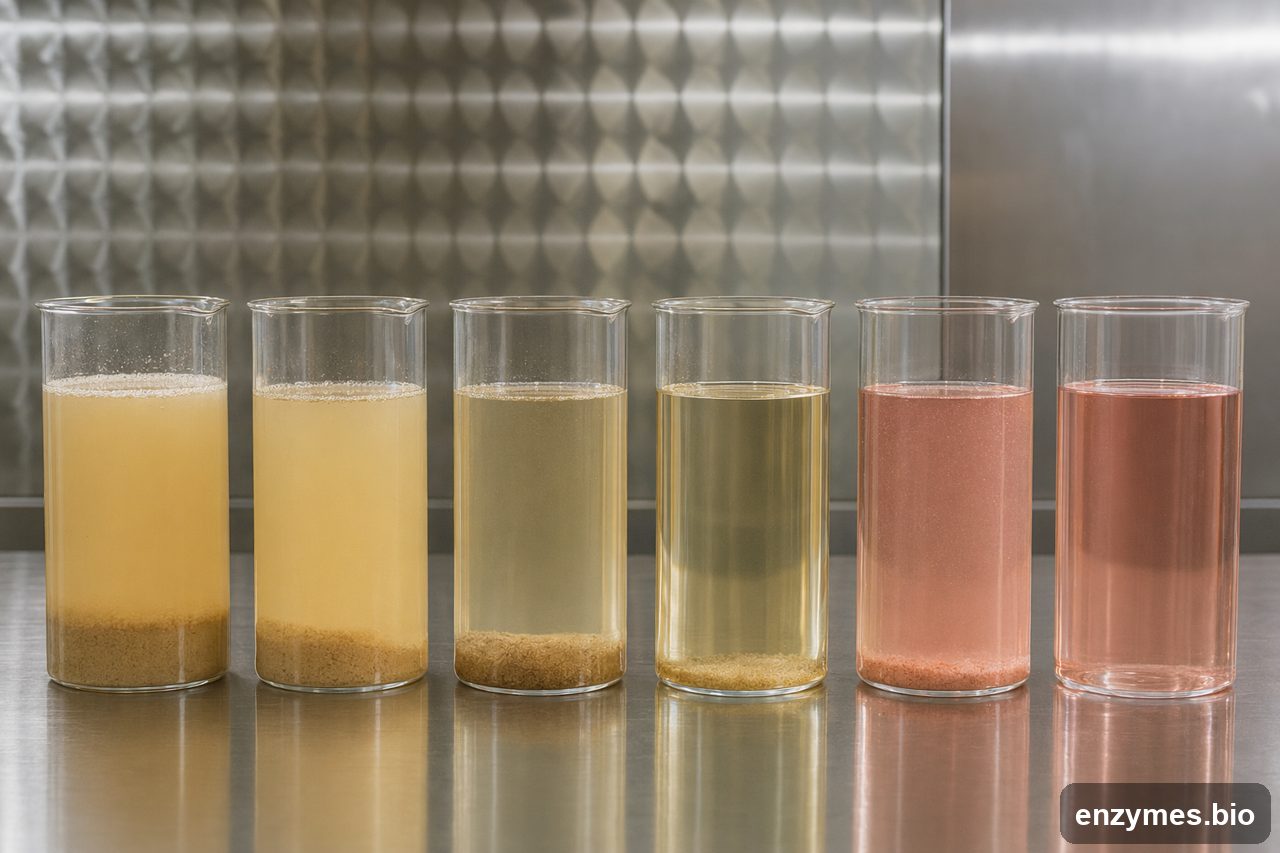
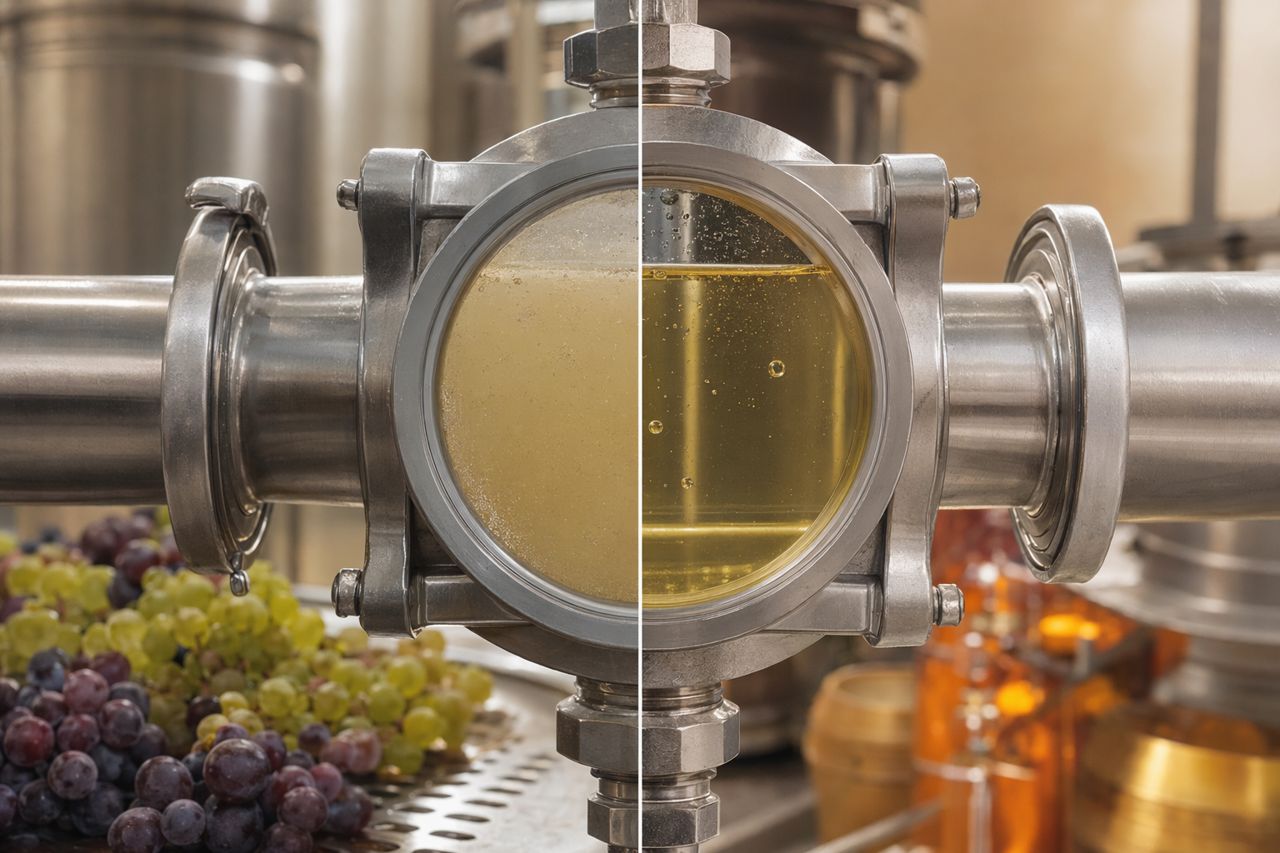
For white and rosé production, pectinase is commonly used after crushing or pressing to support settling, flotation, and clarification. When pectin networks are reduced early, suspended solids can separate more cleanly, and downstream clarification steps can be managed with less corrective intervention.
Typical process objectives include:
Lower turbidity burden entering fermentation
More consistent settling behavior across lots
Improved flotation response where air or gas-assisted clarification is used
Reduced pectin-related haze formation before filtration
Better throughput in polish filtration or membrane systems
Red must maceration and extraction support
In red winemaking, pectinase can assist skin breakdown and maceration dynamics. The goal may be juice liberation, cap management, color release support, or improved pressability after fermentation.
Pectinase does not replace winemaking control. It gives the cellar another lever. Temperature, contact time, grape condition, pump-over intensity, and pressing strategy still determine the finished wine profile.
Pressing and yield recovery
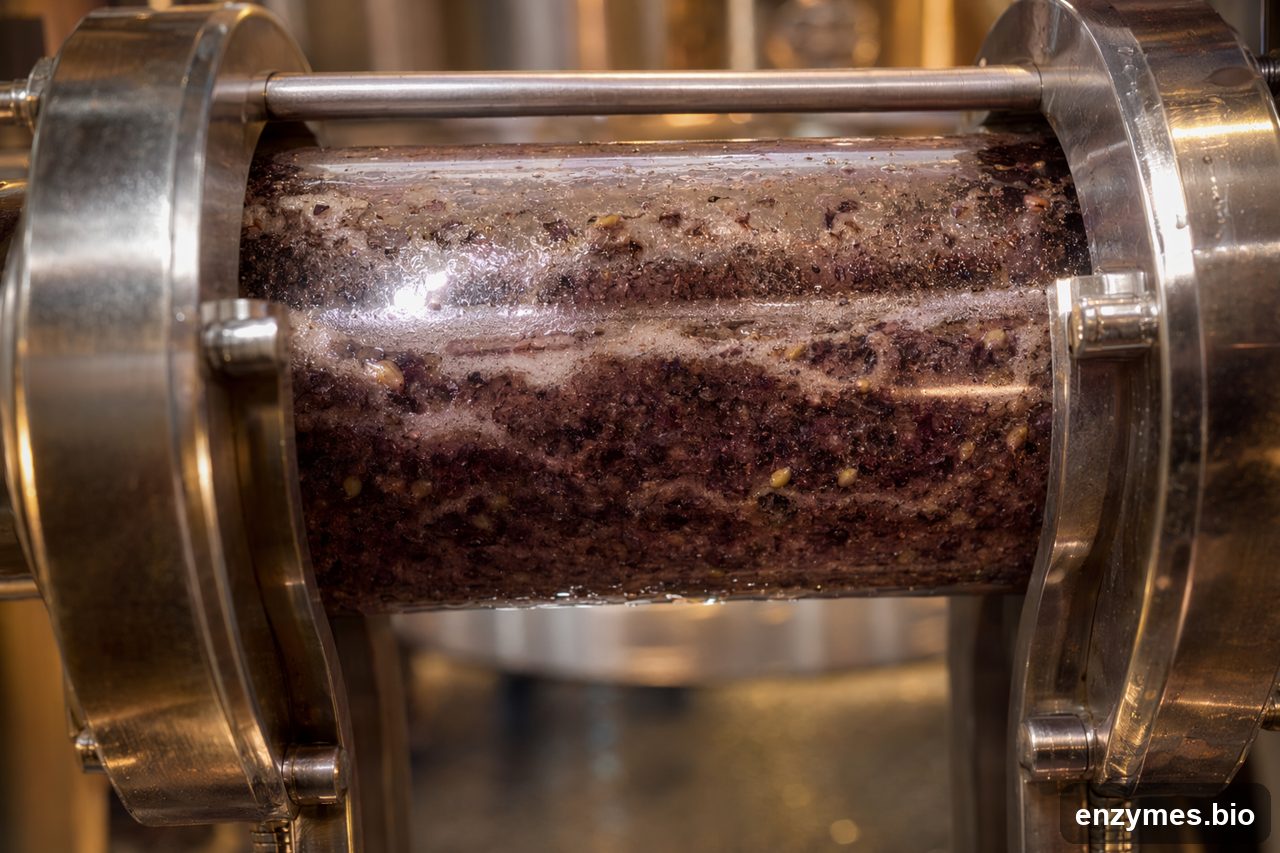
Pectin-bound juice can remain trapped in grape solids. By loosening cell wall pectin and reducing gel structure, pectinase can support more efficient draining and pressing. For commercial operations, that can mean a steadier press cycle, less wet pomace, and more predictable fraction management.
Filtration performance
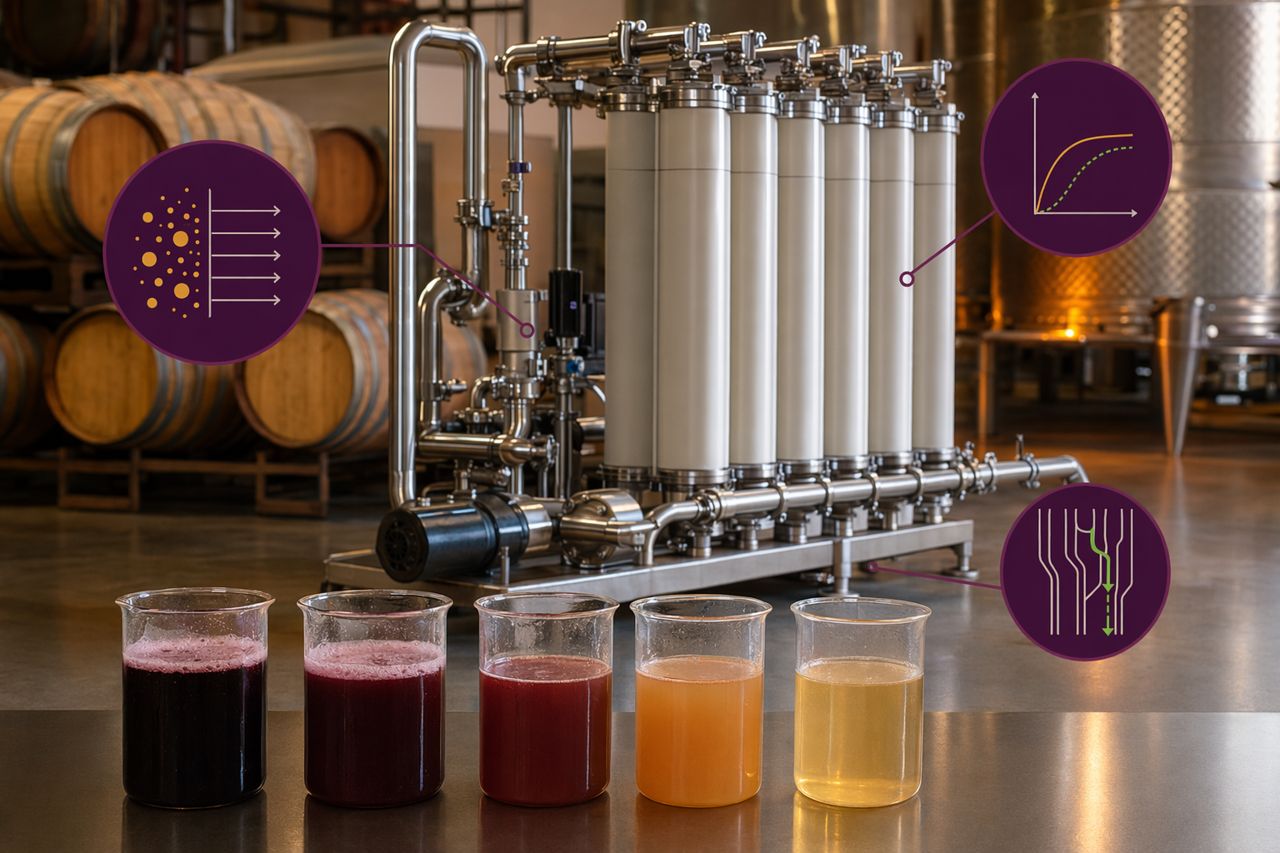
Pectin is a frequent contributor to difficult filtration. It can increase viscosity, stabilize colloids, and form soft deposits that restrict flow. Early pectinase use can reduce the burden carried into crossflow, depth, sheet, or membrane filtration.
For buyers, the value is not only clarity. It is filtration schedule protection: fewer slowdowns, less blind media, and better planning during peak harvest windows.
Application points in the winery
Pectinase can be introduced at several process points depending on the desired effect.
At crush or destemming
Best suited when the goal is early cell wall weakening, improved juice release, red must maceration support, or faster action before pressing.
During cold soak or maceration
Useful when contact time is available and extraction or cap behavior is part of the process target. Selection should consider cellar temperature and grape condition.
After pressing
Common for white and rosé juice clarification, especially before settling, flotation, racking, or fermentation.
Before clarification or filtration
Can be used when pectin-related haze or filtration resistance is suspected. This is often a corrective or risk-reduction step and should be validated by bench trial before scale-up.
Practical formulation and procurement criteria
When sourcing pectinase for grape must, the purchase decision should be based on process fit rather than nameplate claims. Pellucid Works helps teams evaluate:
Target application: maceration, pressing, clarification, haze control, or filtration support
Cellar conditions: wine pH range, low-temperature operation, contact time, and mixing access
Processing sequence: crush, press, flotation, settling, fermentation, and filtration order
Compatibility expectations with sulfur dioxide, fining agents, tannins, yeast nutrients, and cellar sanitation practices
Product handling requirements such as storage conditions, dust control, dispersion, and batch traceability
We do not publish activity-unit specifications or assay methods on public pages. Technical documentation is provided directly to qualified industrial buyers during the quotation and qualification process.
Where pectinase creates measurable operational value
Pectinase is most valuable when a winery can connect enzyme use to a defined bottleneck. Common buyer cases include:
High-viscosity grape must slowing transfer or press cycles
Cloudy juice that settles inconsistently from lot to lot
White or rosé juice requiring better flotation response
Red fermentations where cap behavior, draining, or pressability needs support
Pectin haze risk before stabilization or bottling preparation
Filtration campaigns limited by colloidal load rather than equipment capacity
Custom crush facilities needing repeatable performance across many growers and varieties
Bench trial guidance
Before full-scale adoption, Pellucid Works recommends a controlled cellar trial using representative fruit or juice. Compare treated and untreated samples under the same temperature, contact time, solids load, and clarification method. Track operational endpoints that matter to your site, such as settling profile, turbidity trend, press behavior, filtrability, and sensory neutrality.
A well-designed trial should answer three questions:
Does pectinase improve the limiting process step?
Does it fit the cellar schedule and temperature profile?
Does it preserve the intended wine style while improving handling?
Supply for industrial and winery buyers
Pellucid Works supports pectinase sourcing for wineries, grape processors, wine ingredient manufacturers, and distributors serving cellar operations. Available documentation may include product specification, safety documentation, allergen and compliance statements, storage guidance, and lot traceability information.
For recurring harvest demand, early forecast sharing helps align production, packaging, and delivery timing.
Request pricing or technical review
Tell us how pectinase needs to perform in your grape must process. We will respond with fit-for-purpose product guidance, documentation availability, and commercial pricing through Pellucid Works’ own quotation workflow.