Pectinase for Cotton Bioscouring and Natural Fiber Treatment
Process-focused pectinase for cotton bioscouring, natural fiber preparation, and textile wet processing workflows that target pectin-containing impurities under milder conditions.
Pectinase for Cotton Bioscouring and Natural Fiber Treatment
Pellucid Works supplies pectinase for textile processors that need controlled removal of pectin-containing impurities from cotton and other natural fibers. In bioscouring workflows, pectinase helps open the fiber surface, improve wetting, and prepare material for downstream bleaching, dyeing, printing, or finishing without relying only on harsh conventional scouring chemistry.
This page is for formulation teams, textile mills, enzyme blenders, ingredient manufacturers, and industrial buyers evaluating pectinolytic enzyme options for natural fiber preparation.
What pectinase does in bioscouring
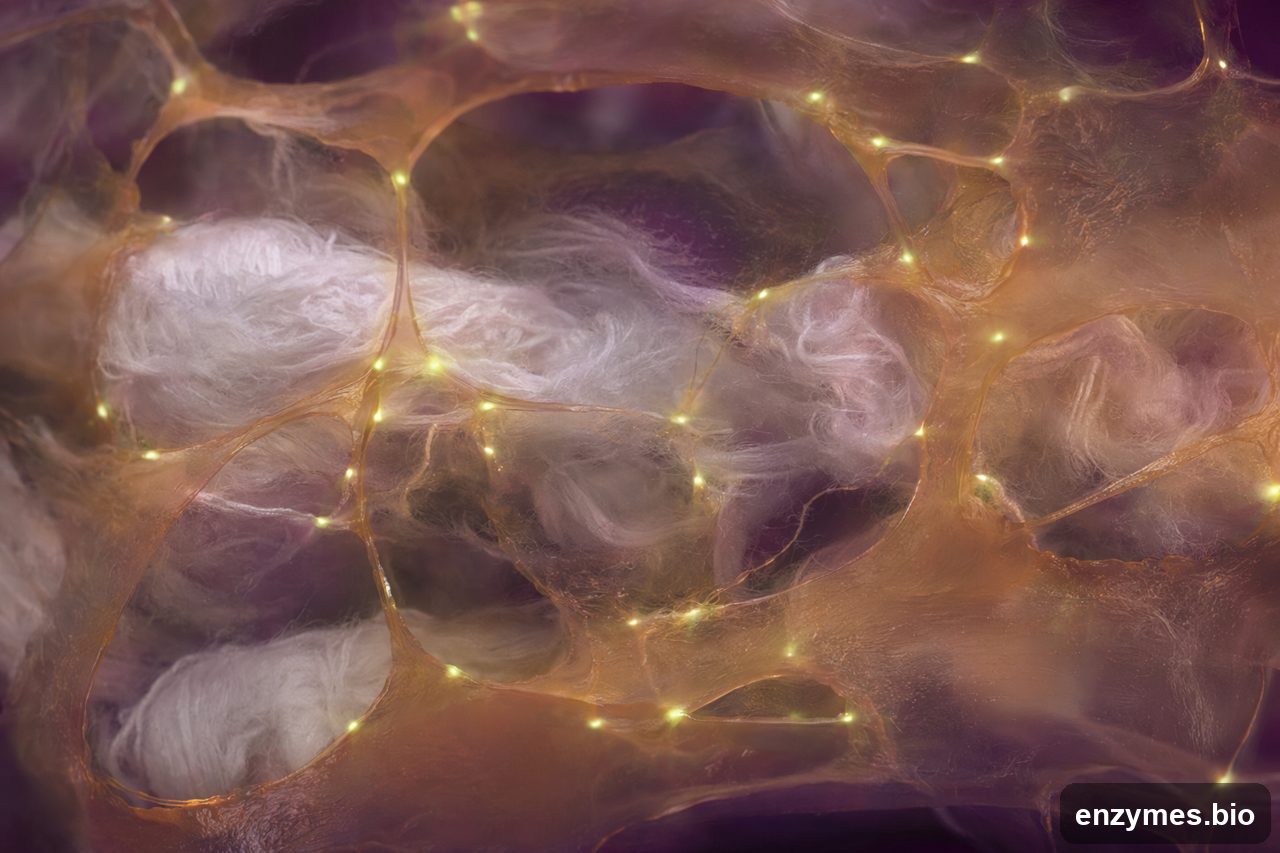
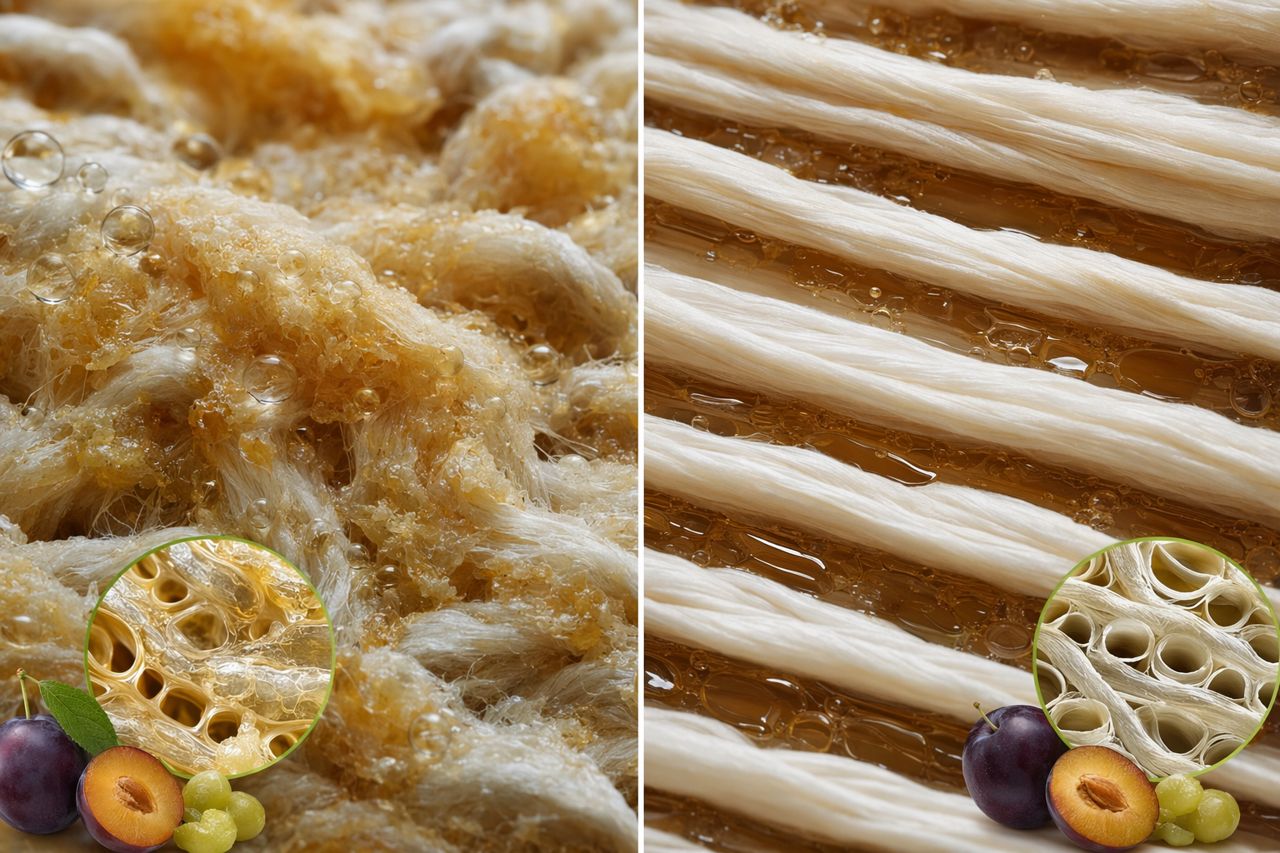
Raw cotton contains a non-cellulosic outer layer made up of pectins, waxes, proteins, hemicellulose, ash, and other field-derived impurities. Pectins act as part of the binding matrix that holds hydrophobic materials at the fiber surface.
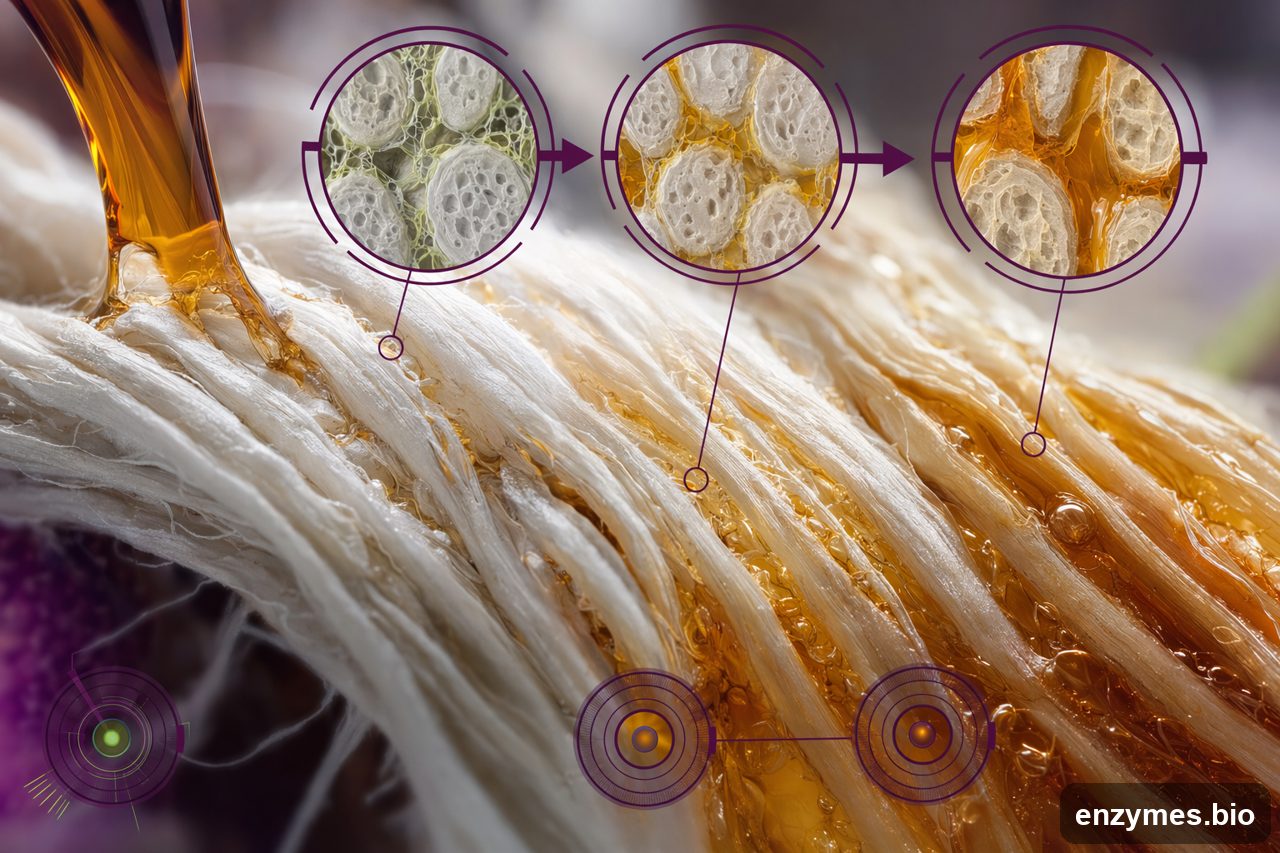
Pectinase targets those pectic substances. By breaking down the pectin network, the process can improve access to the fiber surface and support more uniform wet processing.
Typical processing goals include:
Better fabric or yarn absorbency
Faster and more even wet-out
Lower reliance on severe alkali scouring conditions
Reduced fiber harshness when the process is properly controlled
Improved preparation before dyeing, printing, bleaching, softening, or finishing
Cleaner handling of pectin-rich natural fiber impurities
Why textile teams use pectinase instead of scouring harder
Traditional cotton scouring often depends on high-alkali chemistry to remove non-cellulosic impurities. That approach can be effective, but it may also increase fiber stress, chemical load, rinsing demand, and process variability.
Pectinase provides a more selective tool. It is not intended to replace every auxiliary in every mill. It is used to make the impurity-removal step more targeted, especially where pectin disruption is the rate-limiting part of fiber opening.
Process advantages buyers usually evaluate
Selective action: Targets pectic substances while preserving the cellulose backbone when used within the intended process window.
Milder preparation: Can support reduced severity in scouring conditions depending on fiber type, equipment, liquor ratio, and downstream specification.
Improved wetting: Helps expose the fiber surface for more consistent liquid penetration.
Better downstream readiness: Supports more uniform bleaching, dyeing, printing, and finishing results.
Cleaner process design: Can be integrated into enzymatic scouring, combined preparation stages, or specialty finishing formulations.
Application areas
Pectinase for textile treatment is used across several natural fiber preparation workflows:
Cotton bioscouring
Used on knit, woven, yarn, or loose fiber formats to reduce pectin-related surface barriers and improve absorbency before dyeing or finishing.
Natural fiber blends
Relevant for blends where cotton, flax, hemp, ramie, or other pectin-containing plant fibers need controlled surface preparation.
Pretreatment before dyeing and printing
Supports more even wet-out and liquor penetration, which can help downstream coloration steps perform more consistently.
Enzyme-based auxiliary systems
Can be formulated with compatible wetting agents, buffers, dispersants, chelants, or other enzymes depending on the customer’s process design and regulatory requirements.
Formulation and process considerations
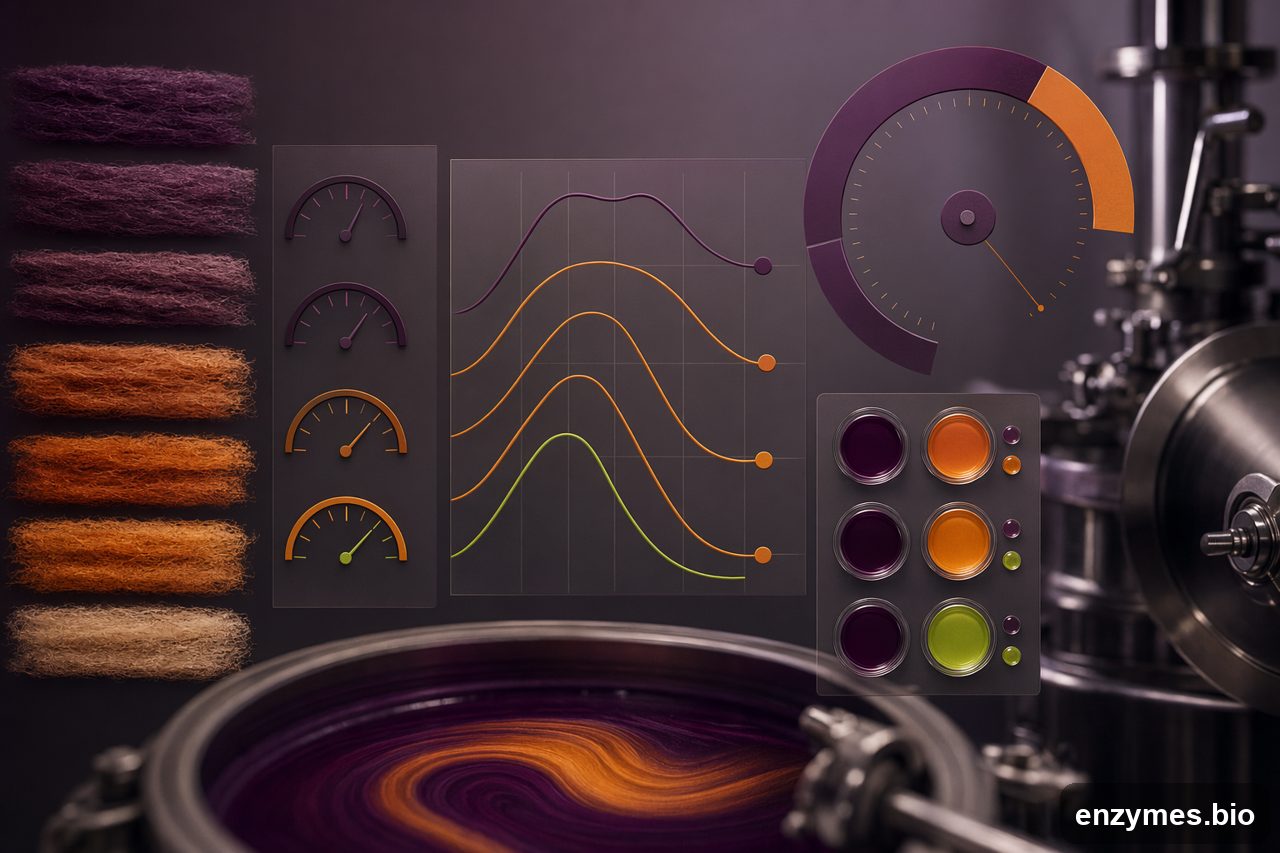
Pectinase performance depends on the full wet processing environment. The most important variables are not only enzyme dose, but also pH, temperature, dwell time, agitation, fabric construction, pretreatment history, and compatibility with auxiliaries.
For procurement and formulation review, Pellucid Works can support discussion around:
Liquid or dry product format requirements
Target process pH and temperature window
Compatibility with textile auxiliaries
Batch, continuous, or semi-continuous processing conditions
Stability expectations during storage and handling
Fiber type, fabric weight, and construction
Required downstream performance targets, including absorbency and dyeing readiness
Packaging, documentation, and repeat supply needs
We do not publish trader-confidential activity specifications or assay methods on public application pages. Technical matching is handled directly with qualified buyers so the supplied grade aligns with the real process, not a generic label claim.
Where pectinase fits in a bioscouring sequence
A typical enzymatic cotton preparation workflow may include:
Pre-wet and load preparation to ensure even liquor contact.
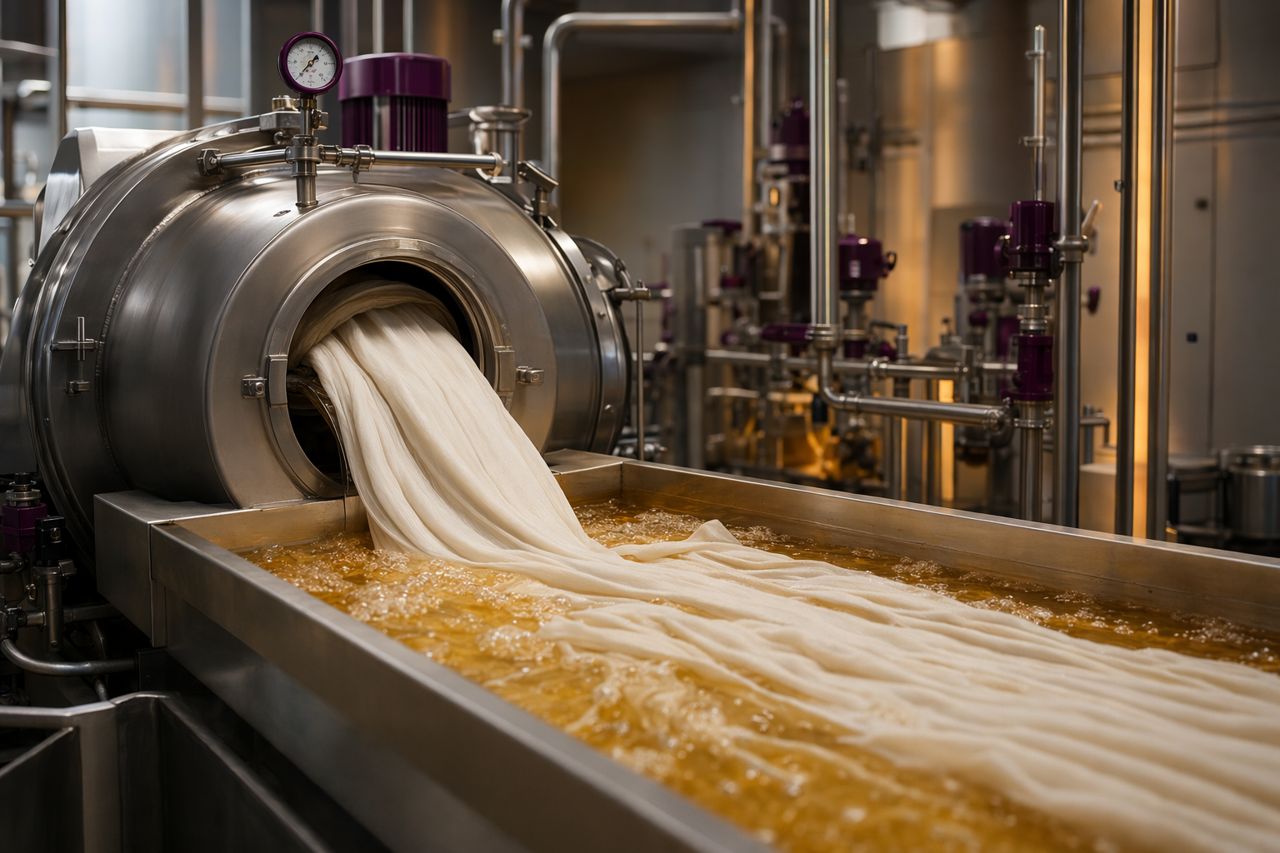
Pectinase treatment under the selected process window to disrupt pectin-containing surface structures.
Rinse or process transition to remove soluble and loosened impurities.
Bleaching, dyeing, printing, or finishing according to the mill’s quality target.
Some mills run pectinase as a dedicated step. Others evaluate combined stages where pectinase works alongside selected auxiliaries or complementary enzymes. The right design depends on process tolerance, fabric sensitivity, water profile, and downstream shade or finish requirements.
What to specify when requesting pricing
To quote the right pectinase grade for textile bioscouring, provide as much of the following as available:
Fiber type and material format: knit, woven, yarn, loose fiber, tow, or blend
Target application: bioscouring, pretreatment, finishing support, or formulation ingredient
Process type: batch, jet, overflow, pad-batch, pad-steam, continuous, or lab development
Intended pH and temperature range
Typical dwell time
Known auxiliaries used in the same bath
Desired product format: liquid, powder, or custom handling requirement
Estimated monthly or annual demand
Destination market and documentation needs
Quality position
Pellucid Works focuses on industrial enzyme supply for buyers who need repeatable performance, practical documentation, and a clear fit between enzyme behavior and process conditions. For textile applications, that means we prioritize process compatibility, handling stability, and lot-to-lot continuity over vague broad-spectrum claims.
Request a quote or get pricing
Tell us how the enzyme will be used, and we will respond with grade options, packaging availability, and commercial next steps through Pellucid Works’ own quote process.