Pectinase for Tea Extracts and Plant Beverages | Pellucid Works
Pectinase for botanical extraction, tea extract clarification, plant beverage viscosity control, and filtration support in industrial beverage manufacturing.
Pectinase for clearer extracts and more controlled plant beverage processing
Pectinase (Pectinolytic Enzyme) is used where botanical raw materials bring pectin into the process: tea extracts, fruit-infused tea bases, oat and nut beverages, vegetable blends, and plant-derived ingredient streams. Pectin can bind water, suspend fines, increase viscosity, slow filtration, and create haze that remains difficult to remove by mechanical separation alone.
Pellucid Works supplies pectinase for manufacturers that need practical processing leverage: better extraction behavior, faster clarification, smoother transfer, and more predictable filtration.
Where pectinase fits in tea and plant beverage lines
Pectinase can be introduced at several points depending on the product, the thermal profile, and the separation method.
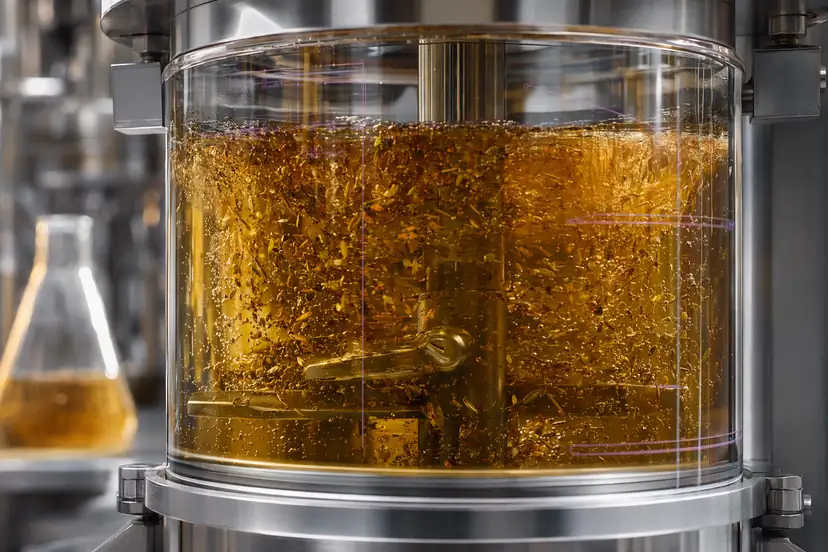
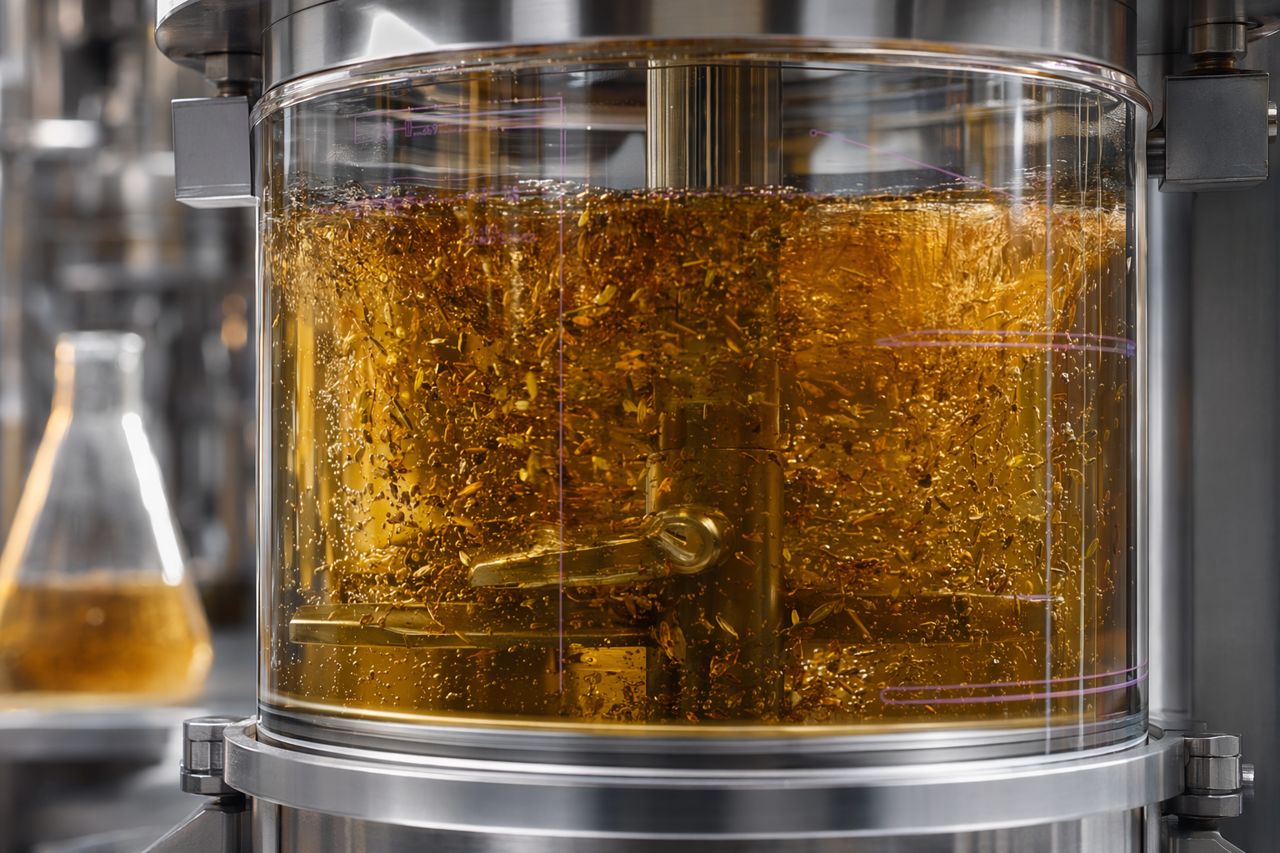
Botanical extraction: Supports release of soluble material from tea leaves, herbals, fruit pieces, and plant solids.
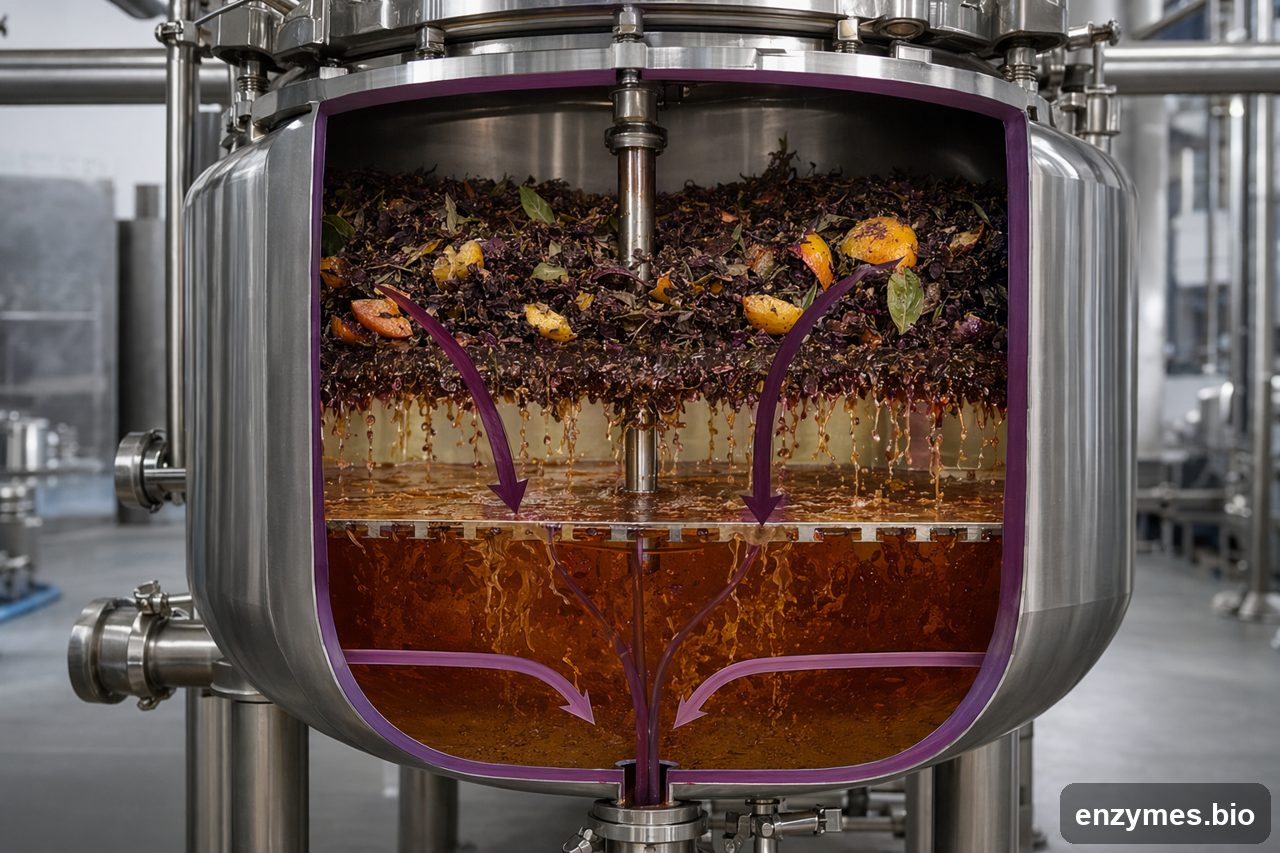
Mash or slurry treatment: Helps reduce gel-like structure before pressing, decanting, centrifugation, or membrane processing.
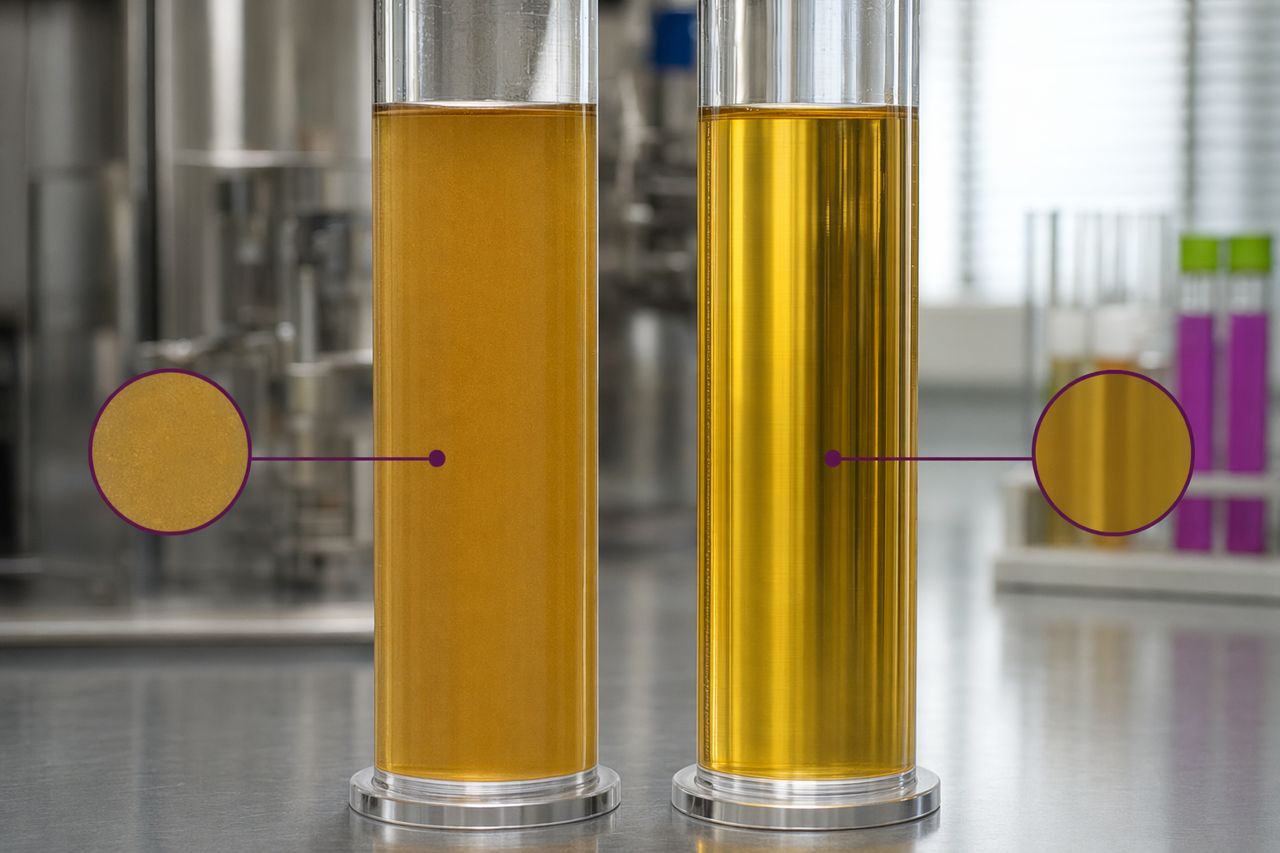
Clarification: Breaks down pectin networks that trap suspended particles and contribute to haze.
Viscosity control: Improves pumpability and transfer in plant bases where pectin-driven thickening is not desired.
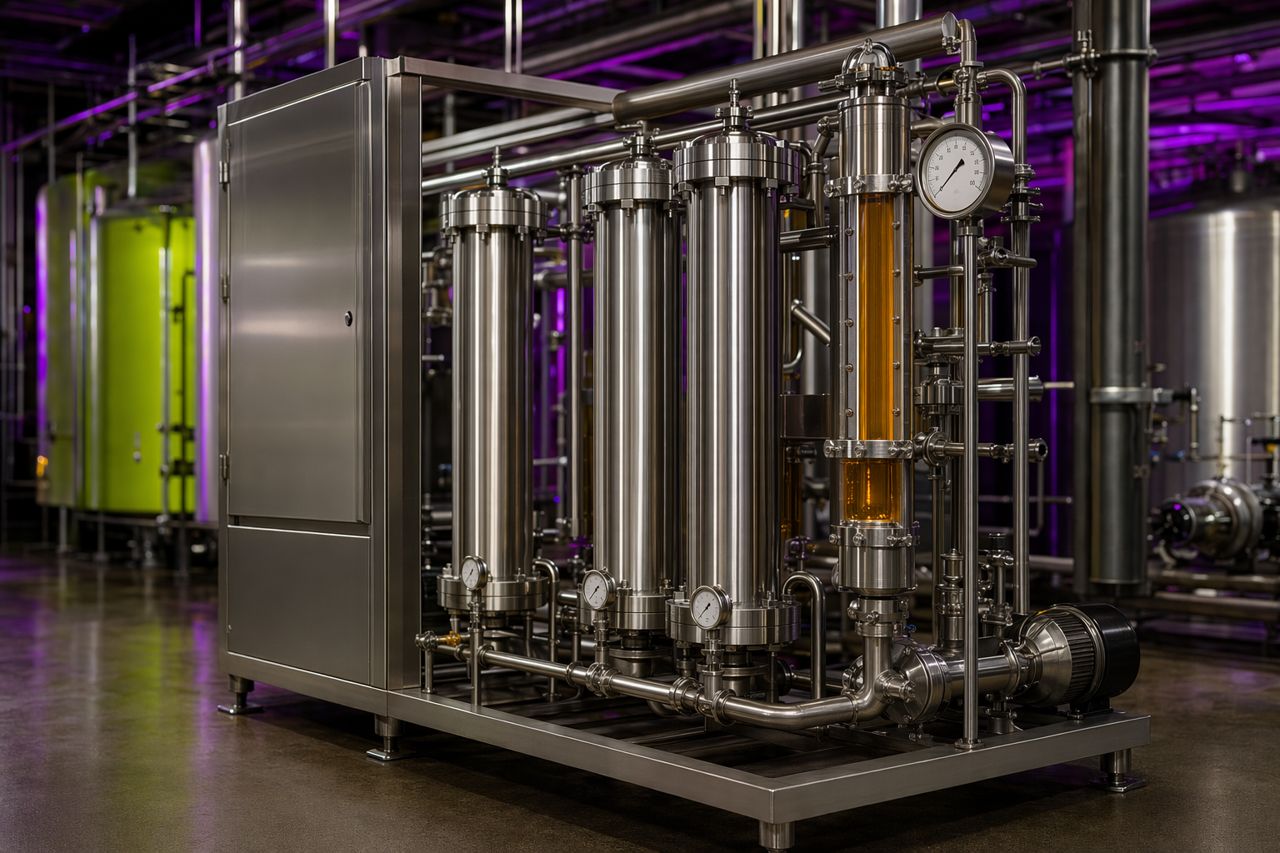
Filtration support: Helps prepare a cleaner feed for depth filtration, plate filtration, crossflow systems, or polishing steps.
Concentrate preparation: Reduces process drag before evaporation, concentration, or blending into final beverage systems.
Application benefits
Improved extraction from botanical raw materials
Tea and plant beverage processors often work with variable raw materials: leaf cut size, fruit maturity, seasonal pectin load, pulp level, and extraction temperature can all change the behavior of a batch. Pectinase helps open pectin-rich structures so soluble material can move more freely into the liquid phase.
For extract manufacturers, this can support higher process efficiency without relying only on harsher thermal or mechanical treatment.
Cleaner clarification and haze reduction
Pectin haze can remain stable even after coarse solids are removed. By reducing the pectin network that stabilizes suspended fines, pectinase helps clarification equipment operate against a more manageable feed.
This is especially relevant for:
Ready-to-drink tea bases
Fruit-tea infusions
Botanical concentrates
Plant-based beverage bases
Vegetable and fruit blend systems
Beverage ingredients that require a clean visual profile
Lower viscosity for easier handling
In plant beverages, viscosity is not always a sensory asset. When viscosity is driven by uncontrolled pectin release, it can create transfer losses, inconsistent blending, and filtration bottlenecks. Pectinase gives production teams a way to manage that structure upstream.
The goal is not simply to make a product thin. The goal is to land the viscosity profile that the formulation and filling operation require.
Filtration and membrane performance support
Pectin-rich streams can foul media quickly, reduce throughput, and create unstable pressure behavior. Pectinase can be used before separation to reduce pectin-related drag and improve feed behavior.
Common process targets include:
Less rapid filter blinding
More consistent separator performance
Cleaner permeate appearance
Reduced hold-up in viscous streams
Improved pre-treatment before concentration
Product and process considerations
Matching the enzyme to the beverage system
Pectinase performance depends on the conditions in the real process, not just on the ingredient name. Pellucid Works helps buyers evaluate fit around:
Raw material type and pectin load
Extraction pH and temperature window
Hold time available before separation
Whether the process is hot, warm, or ambient
Desired clarity, viscosity, or yield outcome
Compatibility with preservatives, acids, sugars, and polyphenol-rich systems
Downstream thermal treatment or enzyme inactivation strategy
Tea extracts
Tea systems can contain tannins, polyphenols, fine leaf particles, fruit inclusions, or herbal solids. Pectinase is typically considered when haze, filtration drag, or extraction efficiency limits the commercial process.
Use cases include black tea concentrates, green tea extracts, fruit-tea bases, botanical infusions, and blends that combine tea with plant or fruit components.
Plant beverages
Oat, almond, seed, vegetable, and mixed plant beverages can carry pectin and other hydrocolloid-like structures from the raw material. Pectinase may be used as part of a broader enzyme strategy when the process requires smoother slurry handling, easier separation, or a more controlled base before final formulation.
Supply formats and B2B support
Pellucid Works supports industrial buyers with pectinase options selected for beverage and ingredient processing environments. Commercial discussions can cover:
Powder or liquid format suitability
Processing temperature and pH fit
Handling and storage requirements
Documentation packages for procurement review
Trial planning for pilot or plant validation
Scale-up support from lab evaluation to production use
We do not recommend enzyme selection by label alone. The right pectinase specification depends on the process window and the business target: yield, clarity, viscosity, throughput, or a combination of those outcomes.
Request pricing for pectinase
Share your application, process stage, beverage type, and target outcome. Pellucid Works will respond with a suitable pectinase recommendation and commercial pricing route.
Why teams specify Pellucid Works pectinase
Process-focused selection for beverage and extract manufacturing
Clear support around where the enzyme enters the line
Practical guidance for extraction, clarification, viscosity, and filtration objectives
Documentation support for industrial procurement teams
Commercial supply conversations built around real production constraints
Pectinase is most valuable when it is matched to the material, the hold time, and the separation step. Pellucid Works helps make that match clear.