Pectinase for Olive Paste and Plant Oil Extraction Support
Pellucid Works supplies Pectinase (Pectinolytic Enzyme) for processors working with olive paste and other pectin-rich plant matrices where cell wall structure, paste viscosity, and aqueous phase behavior can limit extraction efficiency.
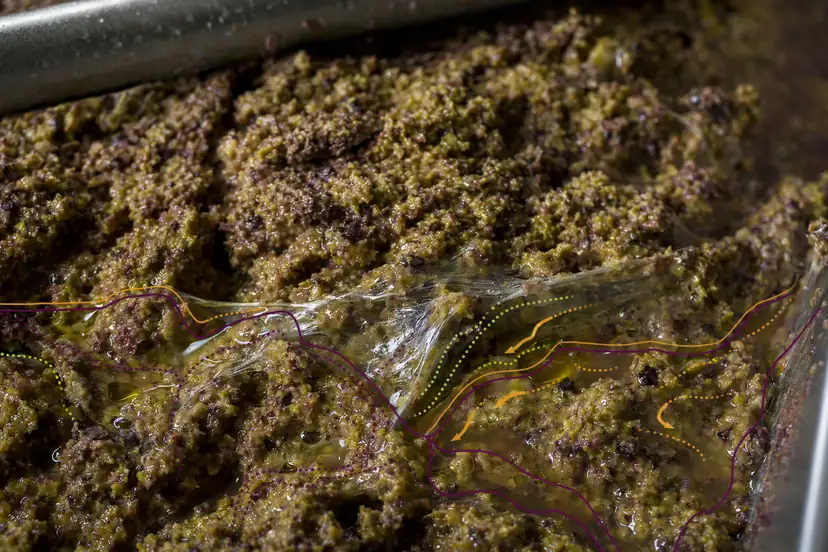
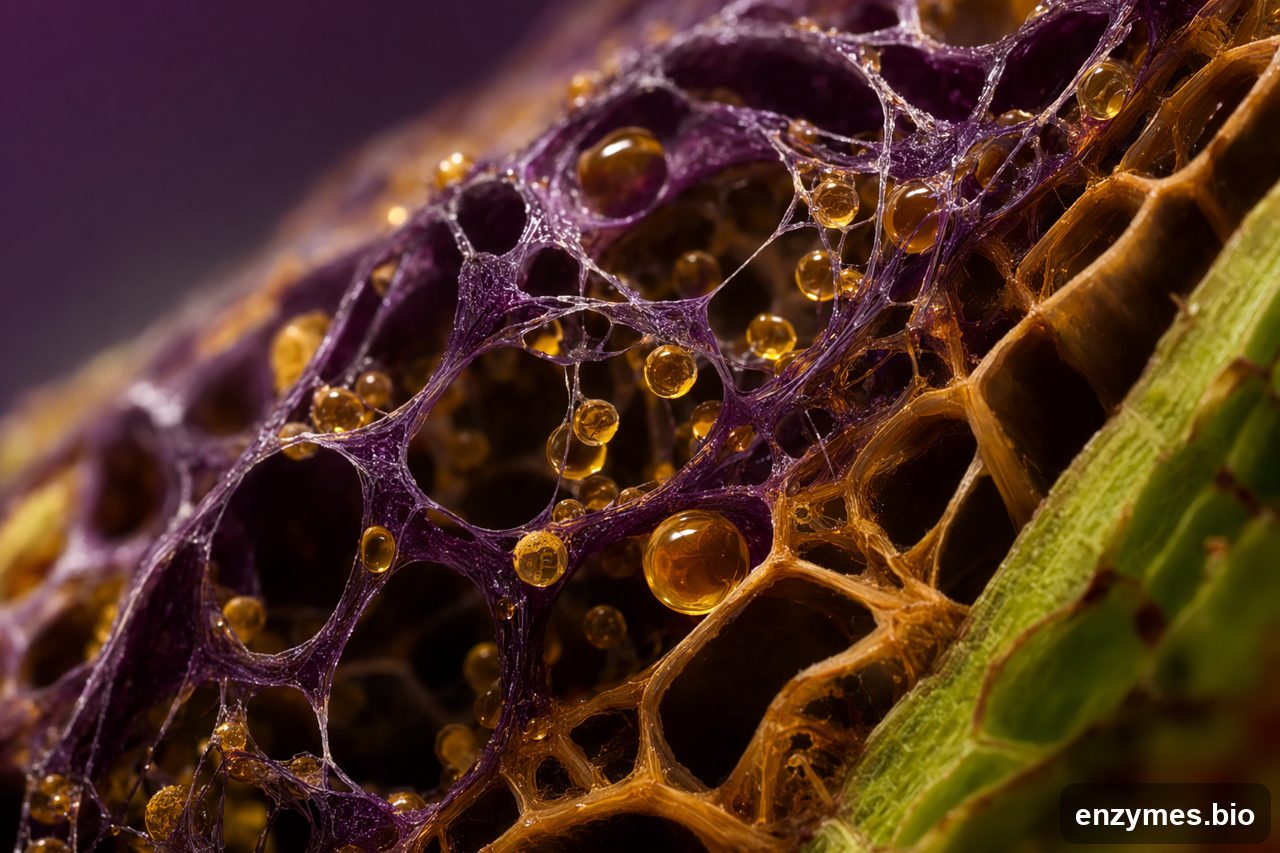
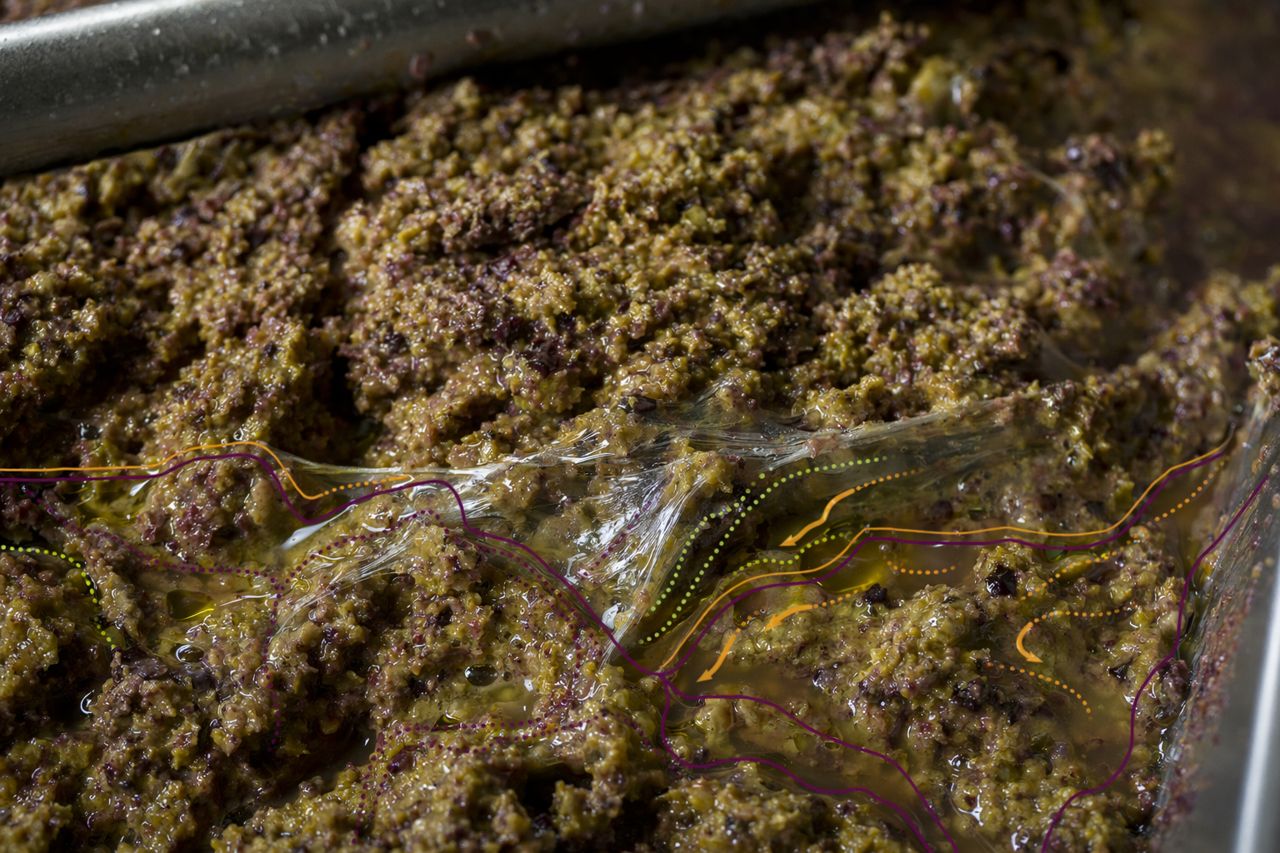
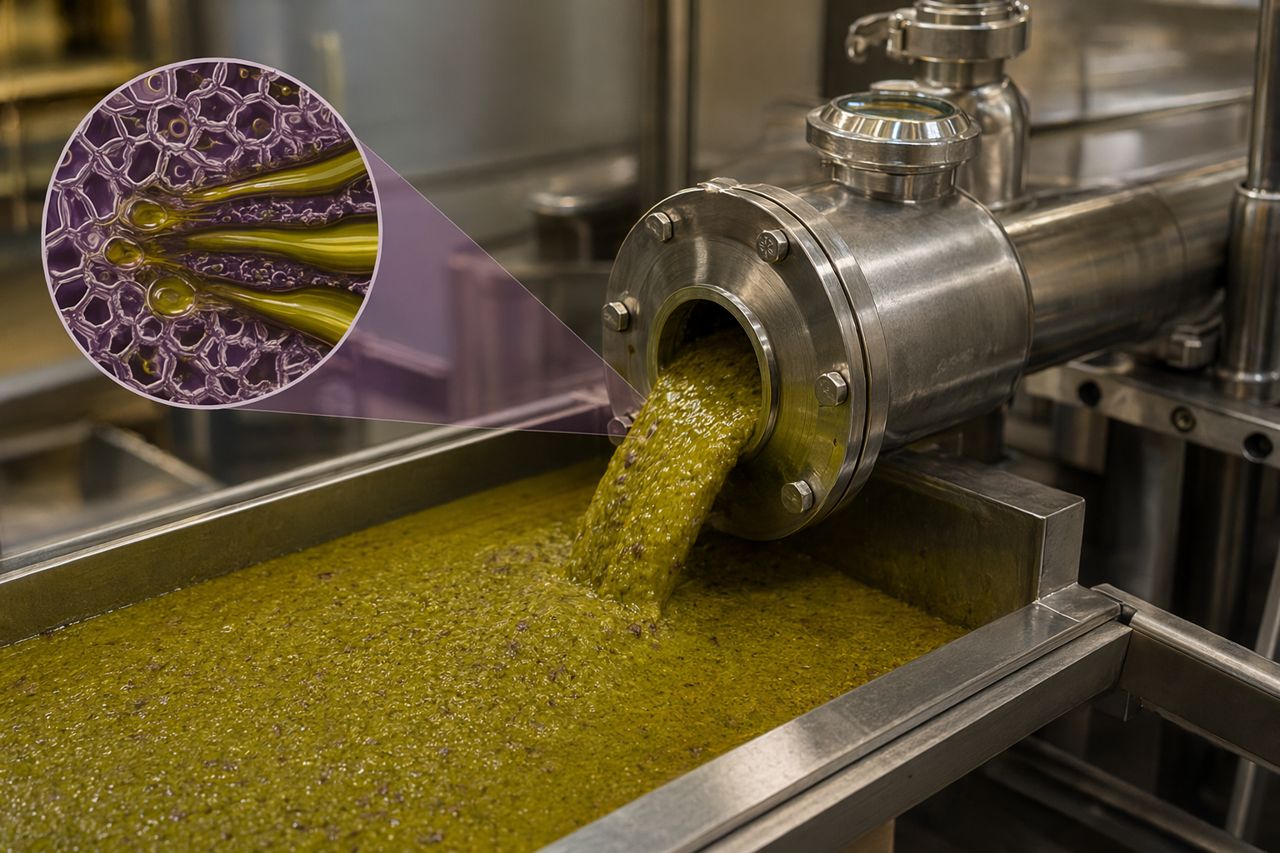
In oil-bearing fruits and plant tissues, pectin helps hold cell walls, middle lamella, and gel-like pulp networks together. During milling, malaxation, and separation, those networks can trap oil droplets, slow drainage, increase emulsion stability, and make solids-liquid separation less predictable. A controlled pectinase program helps weaken that structure so the paste moves, separates, and clarifies with less resistance.
Where pectinase fits in oil extraction workflows
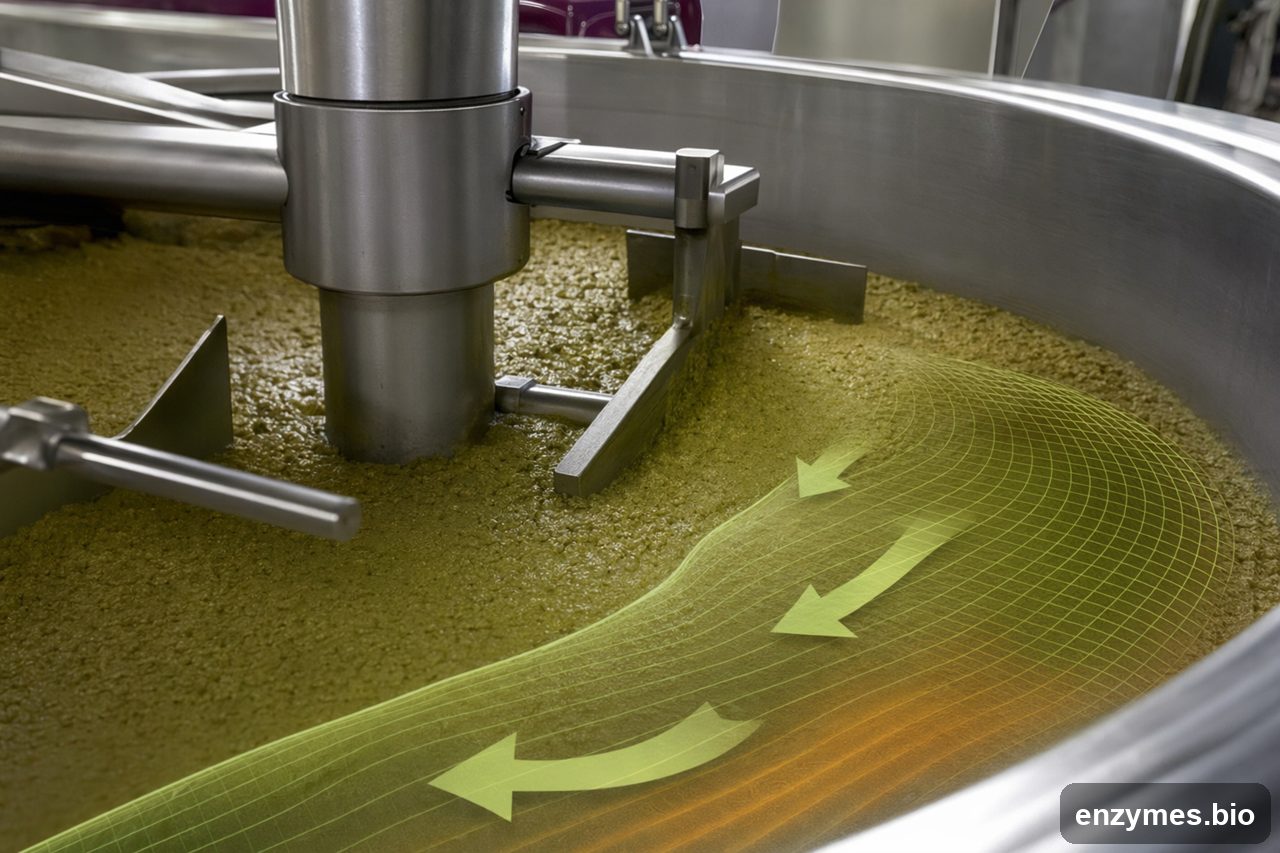
Pectinase is commonly evaluated as a processing aid in systems where pectin-rich tissue interferes with oil release or separation. For olive paste and related plant oil applications, the enzyme is typically considered around the paste-conditioning stage, before mechanical separation.
Potential process objectives include:
Reducing pectin-driven viscosity in fruit or plant paste
Supporting cell wall breakdown to improve release of entrapped liquid phases
Improving paste handling during mixing, pumping, and transfer
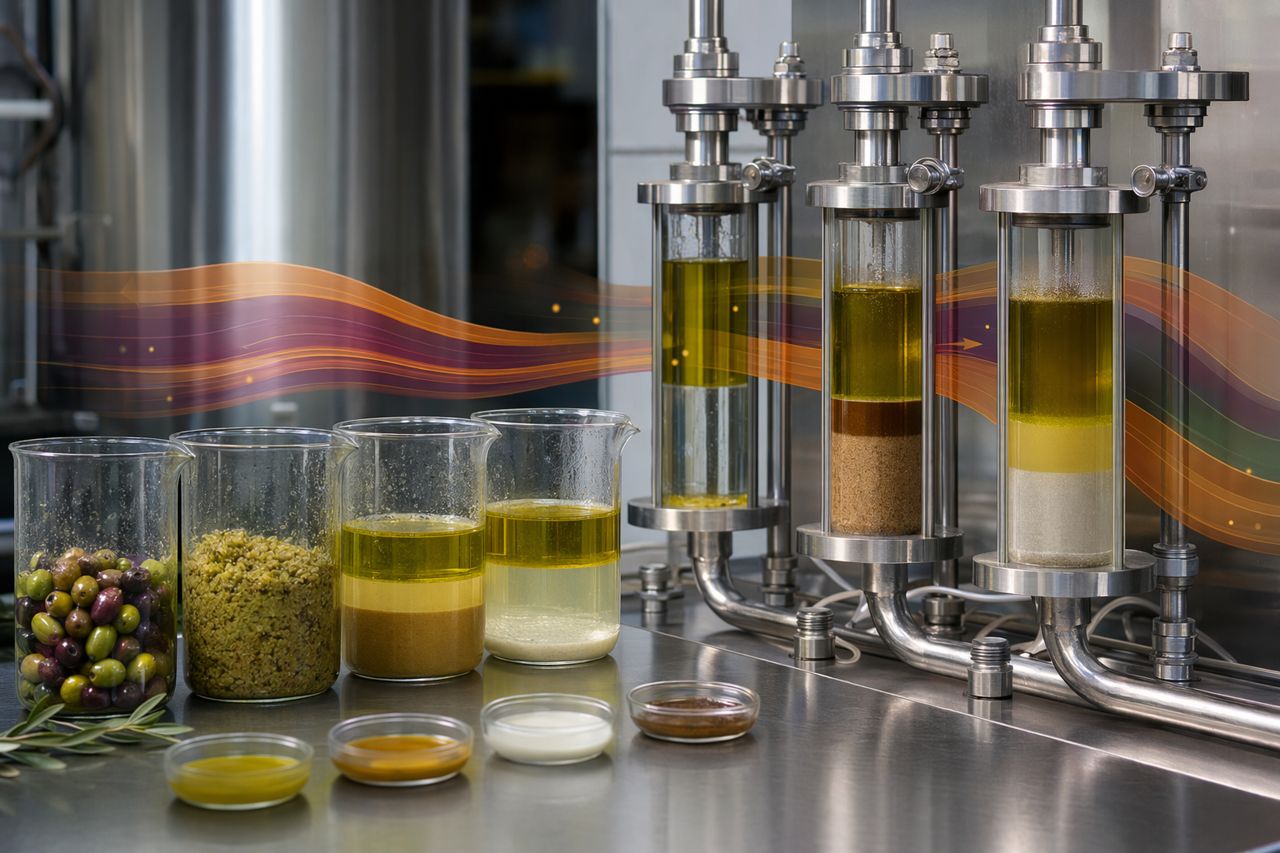
Supporting oil-water-solids separation in decanter or press systems
Reducing gel formation that can hold fine solids and water in suspension
Improving downstream clarification behavior where pectin contributes to haze, sediment load, or unstable emulsions
Pectinase does not replace mechanical extraction discipline. It works best when matched to the raw material, milling profile, residence time, temperature window, and separation equipment already in use.
What pectinase acts on
Pectinase is a pectinolytic enzyme system that targets pectic substances in plant tissue. In practical terms, it helps open up the pectin-rich architecture that binds cells and forms viscous pulp structures.
In olive and other fruit-derived oil matrices, this can affect:
Middle lamella weakening between plant cells
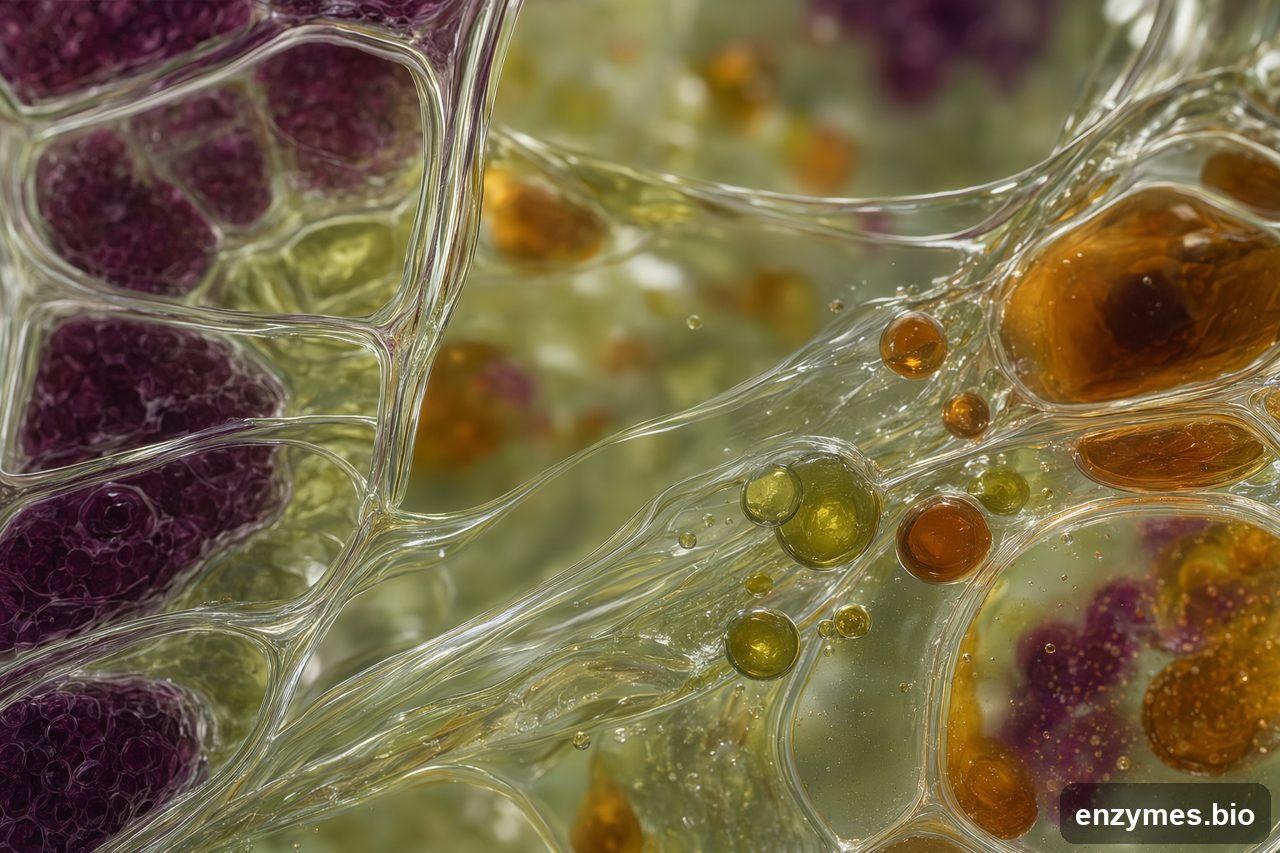
Reduction of gel-like pectin networks in the aqueous phase
Lower resistance to liquid movement through crushed paste
Less oil droplet entrapment within hydrated solids
Cleaner behavior at the separation interface when process conditions are aligned
The result is not a chemical shortcut. It is a controlled structural adjustment to the paste.
Application areas
Olive paste processing
For olive oil producers, pectinase may be evaluated when paste structure is dense, water management is difficult, or separation performance varies by cultivar, maturity, or harvest condition. It can be especially relevant when pectin content and pulp structure increase resistance during malaxation and decanting.
Typical evaluation goals include better paste flow, more predictable phase separation, and reduced pectin-related retention of liquids in the pomace.
Avocado and fruit-derived oil systems
Pectin-rich fruit matrices often combine oil bodies, aqueous pulp, fine solids, and cell wall polysaccharides. Pectinase can support controlled tissue breakdown where processors need improved pulp conditioning before centrifugation, pressing, or other separation steps.
Seed, kernel, and botanical oil pre-processing
Where plant materials contain pectin-bearing tissues or fruit coatings, pectinase may be assessed as part of a broader enzymatic conditioning approach. Compatibility with other enzyme types, process water, pH, and temperature must be verified before scale-up.
Processing considerations
Pellucid Works approaches pectinase selection as a process-fit exercise, not a generic additive choice. The right recommendation depends on the material and the separation problem.
Key factors we review with buyers include:
Raw material type, cultivar, and maturity profile
Milling or crushing intensity
Paste moisture and solids behavior
Malaxation or conditioning time
Temperature profile during treatment
pH range of the matrix
Decanter, press, or centrifuge configuration
Existing clarification or filtration bottlenecks
Desired outcome: yield support, flow improvement, separation stability, or clarification support
Because oil extraction matrices are sensitive to both mechanical and biochemical conditions, pilot trials are the most reliable way to establish the correct product form and use level.
Expected process value
When properly matched to the process, pectinase may help teams pursue:
Better paste mobility during transfer and mixing
Reduced pectin-related viscosity
Improved release of entrapped liquids from plant solids
More stable operation at the separator feed stage
Cleaner separation between oil, water, and solids
Lower solids carryover in downstream clarification steps
More consistent performance across variable raw material lots
Outcomes depend on fruit condition, equipment, residence time, and the full extraction protocol. Pellucid Works supports qualification with application-focused discussion and trial planning.
Product selection and supply discussion
Pectinase for oil extraction support is available for industrial evaluation and procurement discussions. Selection may consider liquid versus dry handling preference, plant operating conditions, storage expectations, and compatibility with the processor’s cleaning and dosing systems.
We can help define a practical trial framework for:
Olive paste extraction lines
Fruit oil extraction facilities
Ingredient manufacturers working with pectin-rich oil-bearing materials
Pilot plants validating enzymatic pre-treatment before scale-up
Process teams troubleshooting separation or paste-flow bottlenecks
Request pricing or technical fit guidance
Tell us what material you process, where the bottleneck occurs, and what improvement you are targeting. Pellucid Works will respond with pectinase options and next-step guidance for quotation or trial planning.